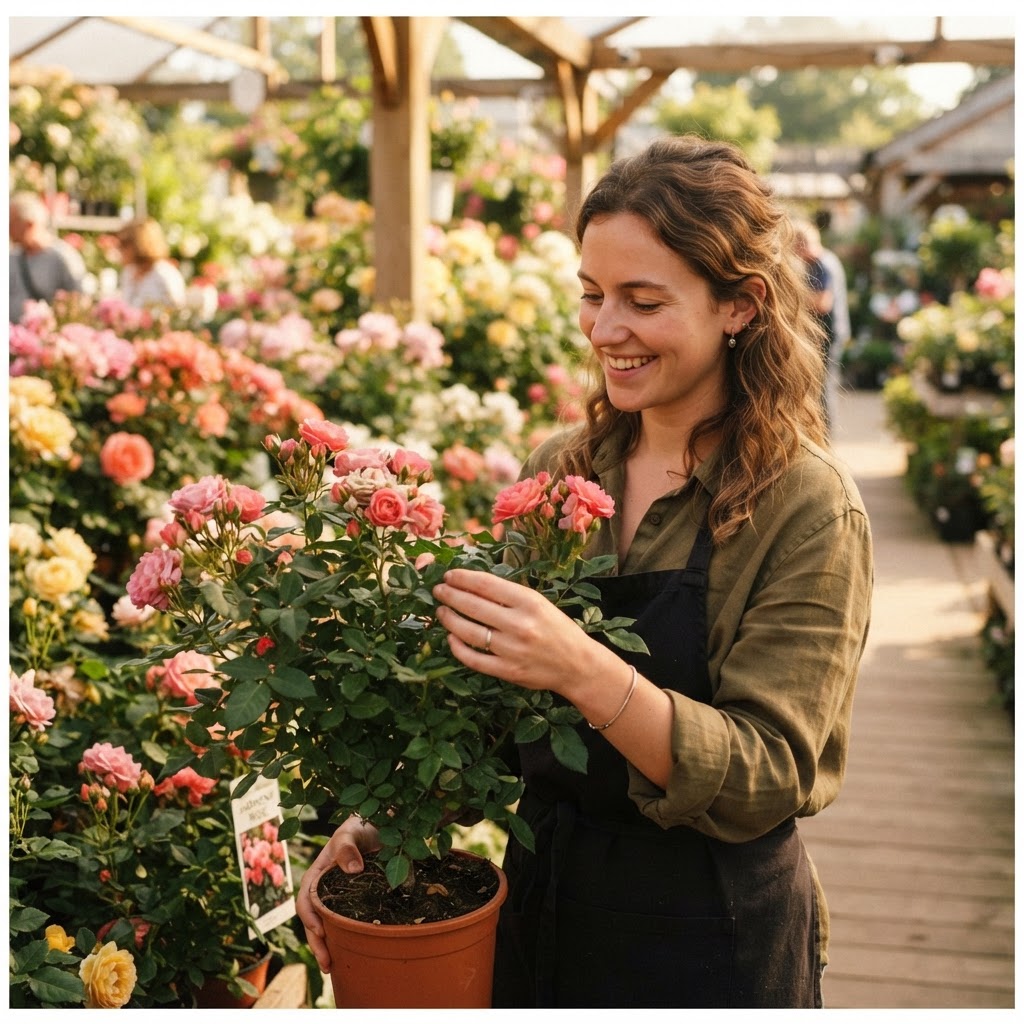
How to Choose Your First Rose: A Beginner's Guide to Easy, Disease-Resistant Roses
To choose your first rose, pick a repeat-blooming shrub, floribunda or polyantha rose that is rated hardy for your USDA zone, sold on its own roots if you live in a cold climate, and proven disease resistant in no-spray trials such as Earth-Kind, ADR or AGRS. Plant it where it gets at least six hours of direct sun. Choose color and fragrance last, from the shortlist that passes those tests.
Updated October 23, 2026
Read More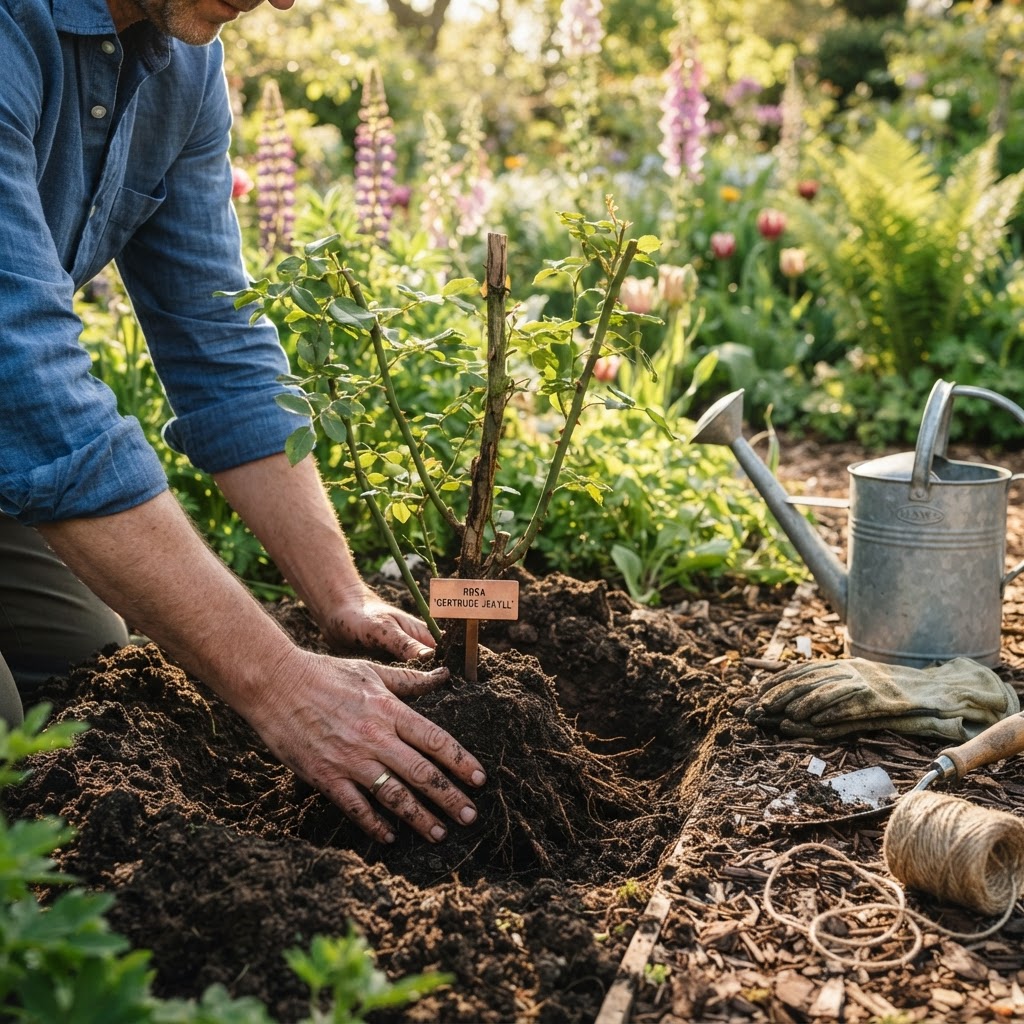
How to Plant Roses for Beginners: A Step-by-Step Guide
Planting a rose comes down to four early decisions: pick a spot with at least 6 hours of sun and good drainage, choose a variety hardy in your zone, amend the soil with compost, and plant at the right time for your rose type. Do those four things well and the rest is routine care — deep watering, mulching, and a light feeding schedule.
Updated October 22, 2026
Read More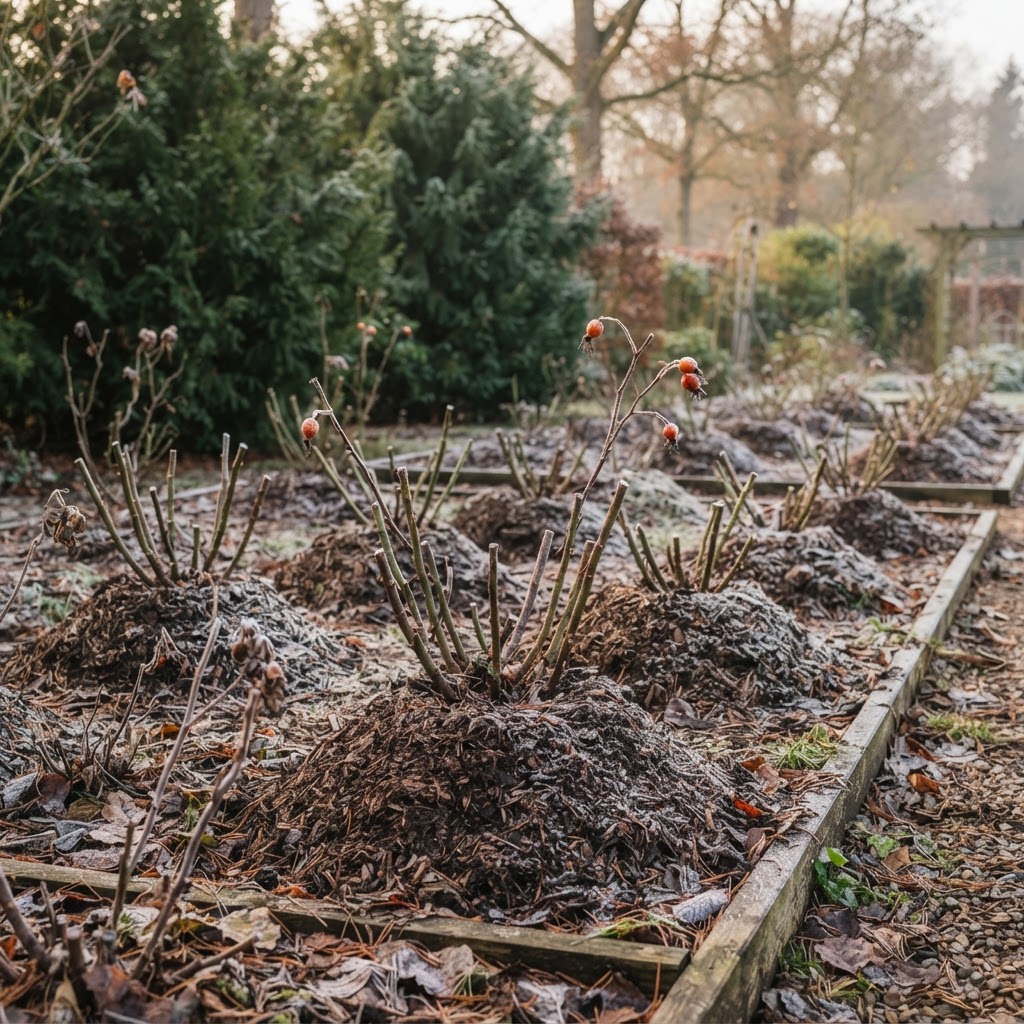
How to Overwinter Roses: Zone-by-Zone Winter Care Guide
How much protection a rose needs depends almost entirely on your USDA zone and whether the rose is grafted. Zones 9 and warmer need nothing at all. Zones 7 and 8 need a clean bed and a light mulch. Zones 5 and 6 need a 10 to 12 inch mound over the crown once the ground starts to freeze. Zones 3 and 4 need that mound plus cone or burlap coverage, and even then some tip dieback is normal. Find your zone, match it to your rose, and the job mostly plans itself.
Updated October 22, 2026
Read More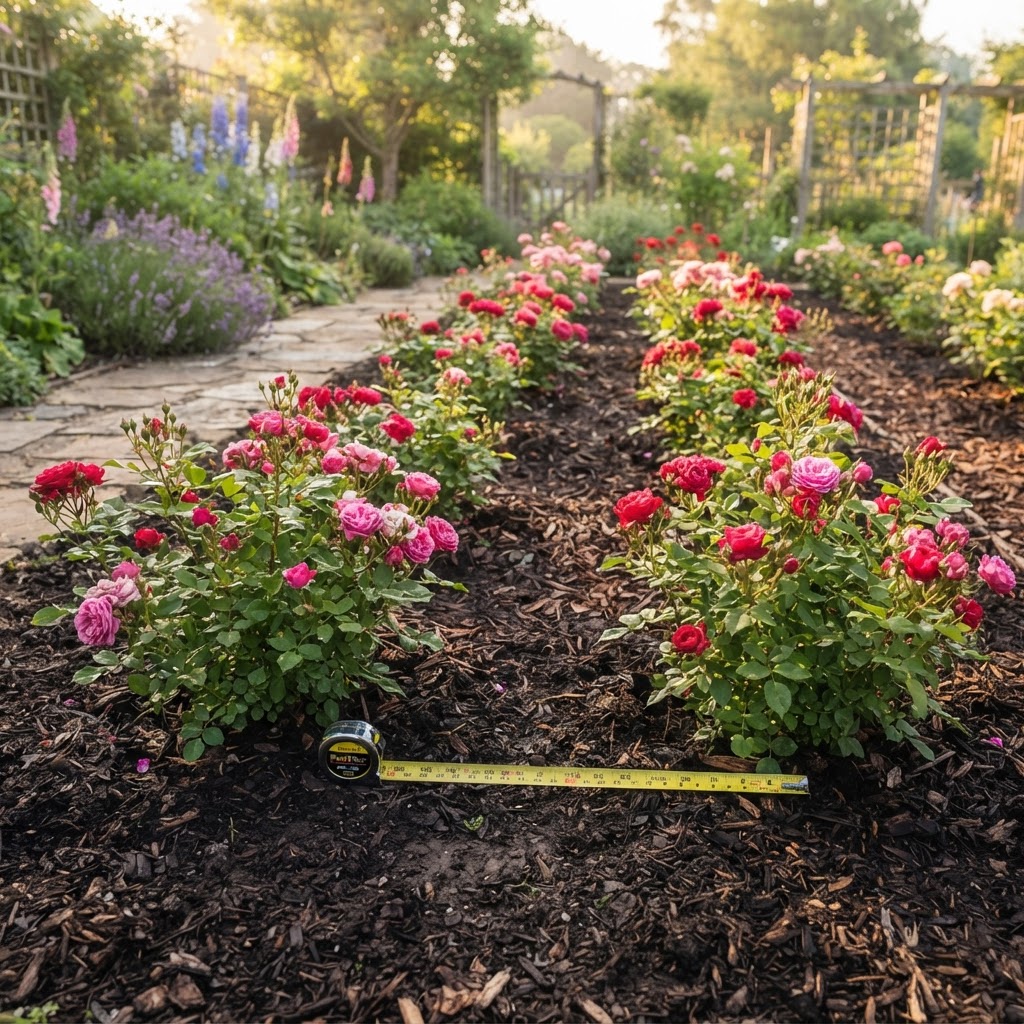
Rose Spacing Guide: How Far Apart to Plant Roses for Healthy, Abundant Blooms
Most roses need 2 to 4 feet between plants, measured from the center of one plant to the center of the next. Miniatures can go as close as 1 to 2 feet. Large shrub roses, old garden roses, and climbers need 4 to 10 feet or more. The right number depends on the mature size of your variety, your climate, and how much airflow your garden gets.
Updated October 12, 2026
Read More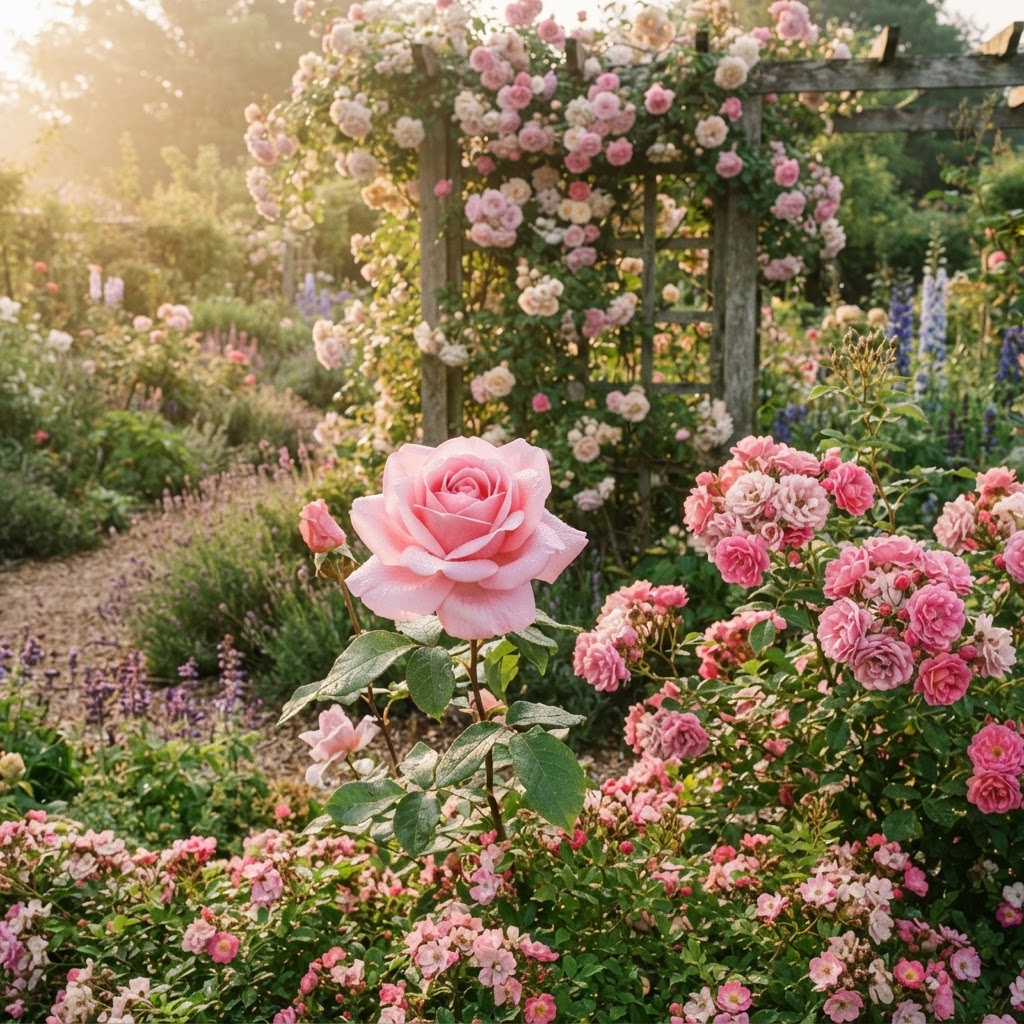
All About Roses: The Complete Guide to Rose Types, Hardiness Zones, Care and Best Varieties
Roses are sorted into three broad groups, species roses, Old Garden Roses (classes before 1867) and Modern Roses, and then into familiar classes such as hybrid tea, floribunda, grandiflora, shrub, climber, rambler, miniature and groundcover. Each type differs in size, bloom pattern, fragrance, hardiness and the care it needs. The right choice starts with your goal (cut flowers, color, fragrance or coverage) and your USDA hardiness zone.
Updated October 12, 2026
Read More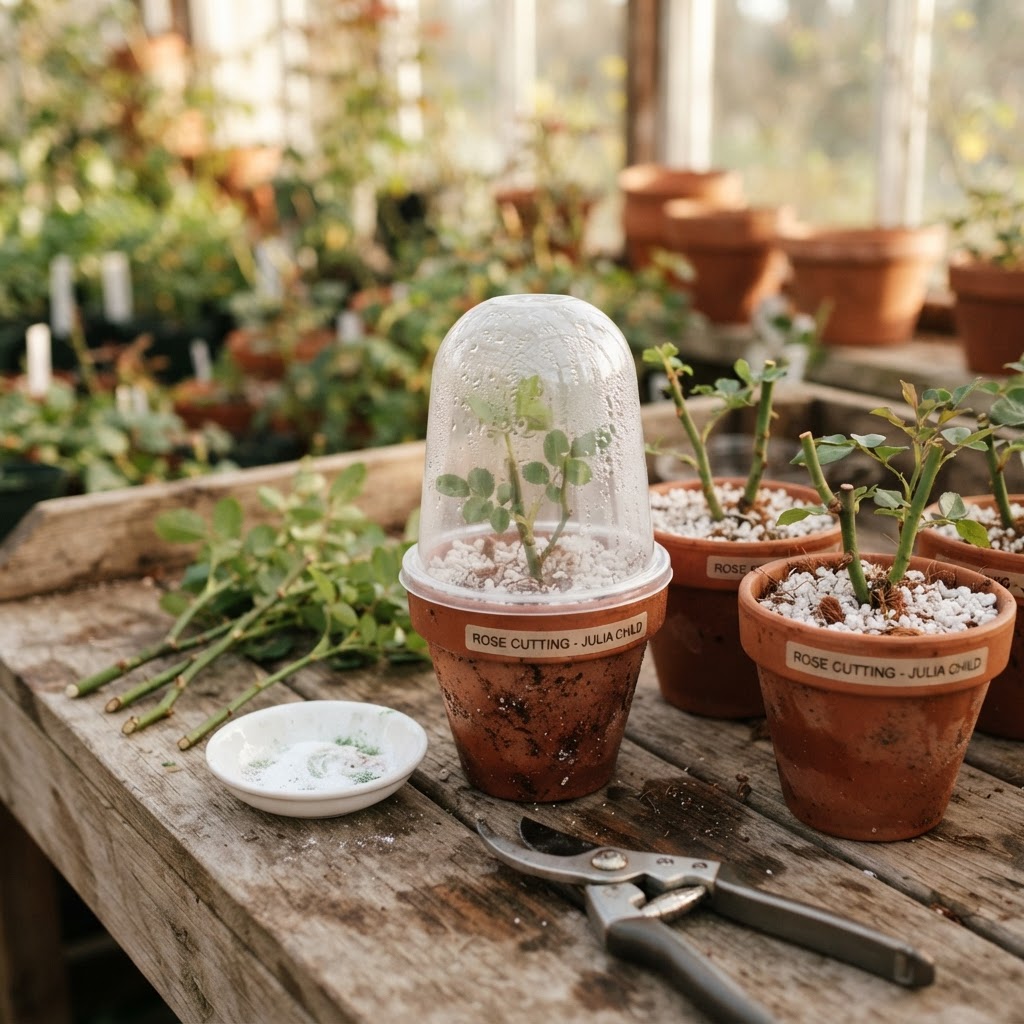
A Step-by-Step Beginner’s Guide to Successfully Propagating Roses from Cuttings
To propagate roses from cuttings, take a healthy 6–8 inch stem, remove the lower leaves, dip the cut end in rooting hormone (optional), and place it in a moist propagation mix such as 50% perlite and 50% coco coir. Keep the cutting humid and in bright indirect light. Most rose cuttings develop roots within 4–8 weeks.
Updated September 27, 2026
Read More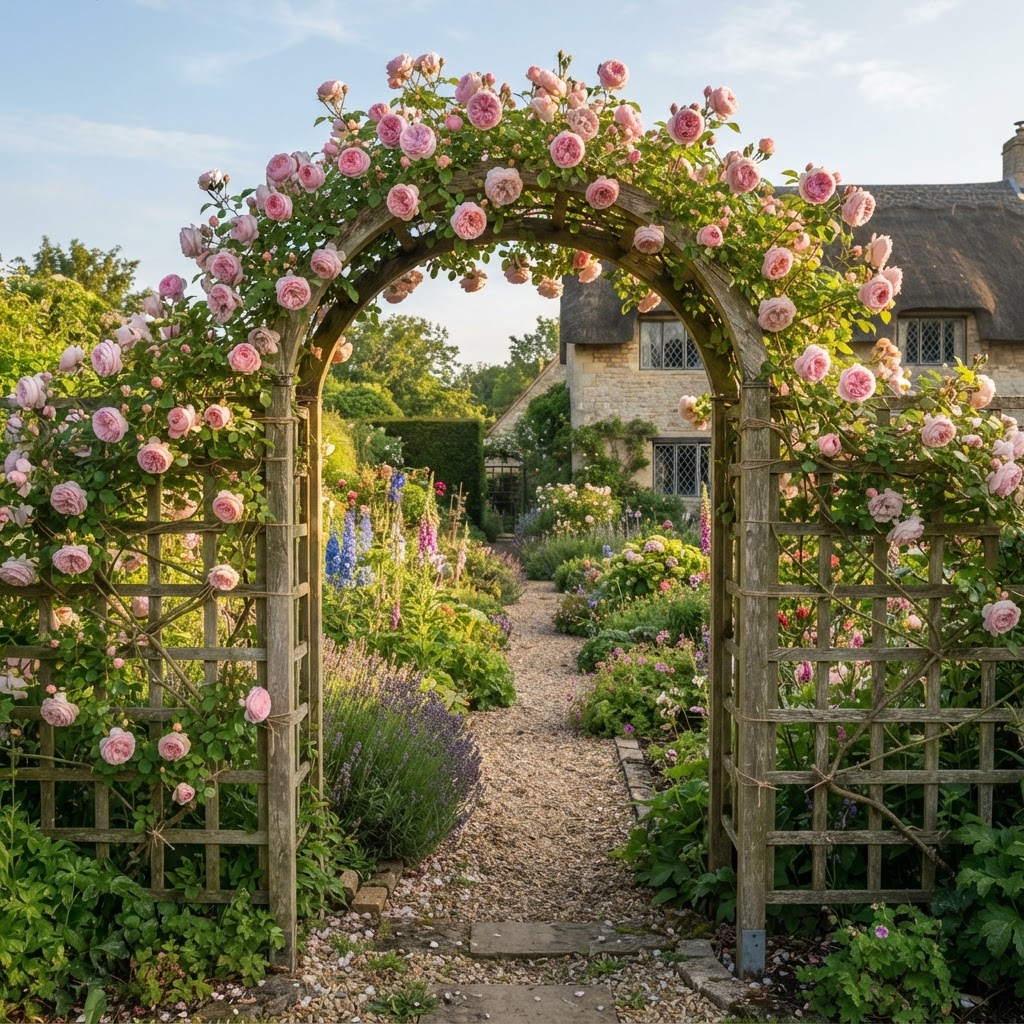
Training Climbing Roses: Creative Ways to Get Fuller, More Beautiful Vines
Climbing roses don’t actually climb — they grow long canes that you have to guide and tie. The secret to a wall of flowers instead of bare stems is the fan method: spread the main canes horizontally and diagonally across the support rather than letting them shoot straight up, because horizontal canes produce flowering shoots along their entire length. Start with a sturdy support, tie young flexible canes loosely into position while you can still bend them, and renew the framework gradually through pruning — the sections below cover trellises, arches, fences, pergolas, walls, and the mistakes to avoid.
Updated September 14, 2026
Read More
How to Choose and Grow Fragrant Roses
A fragrant rose is chosen, not lucked into: pick a variety with a top fragrance rating, match its scent family to the perfume you actually enjoy, plant it where air moves through — beside a path, gate, or sitting spot — and give it full sun and steady water, because fragrance peaks on warm, well-watered growth. The steps below walk you from catalog to planting hole.
Updated September 12, 2026
Read More
Rose Collector's Guide to 107 Fragrant Roses
Of the thousands of varieties in our catalog, only 107 earn our top fragrance rating — roses so fragrant a single bush can perfume an entire corner of the garden. Below are all 107, grouped by the scent they actually release: deep damask and old rose, orchard fruit, bright citrus, warm tea and honey, and bold spice. Every name links straight to that rose in our catalog.
Updated September 11, 2026
Read More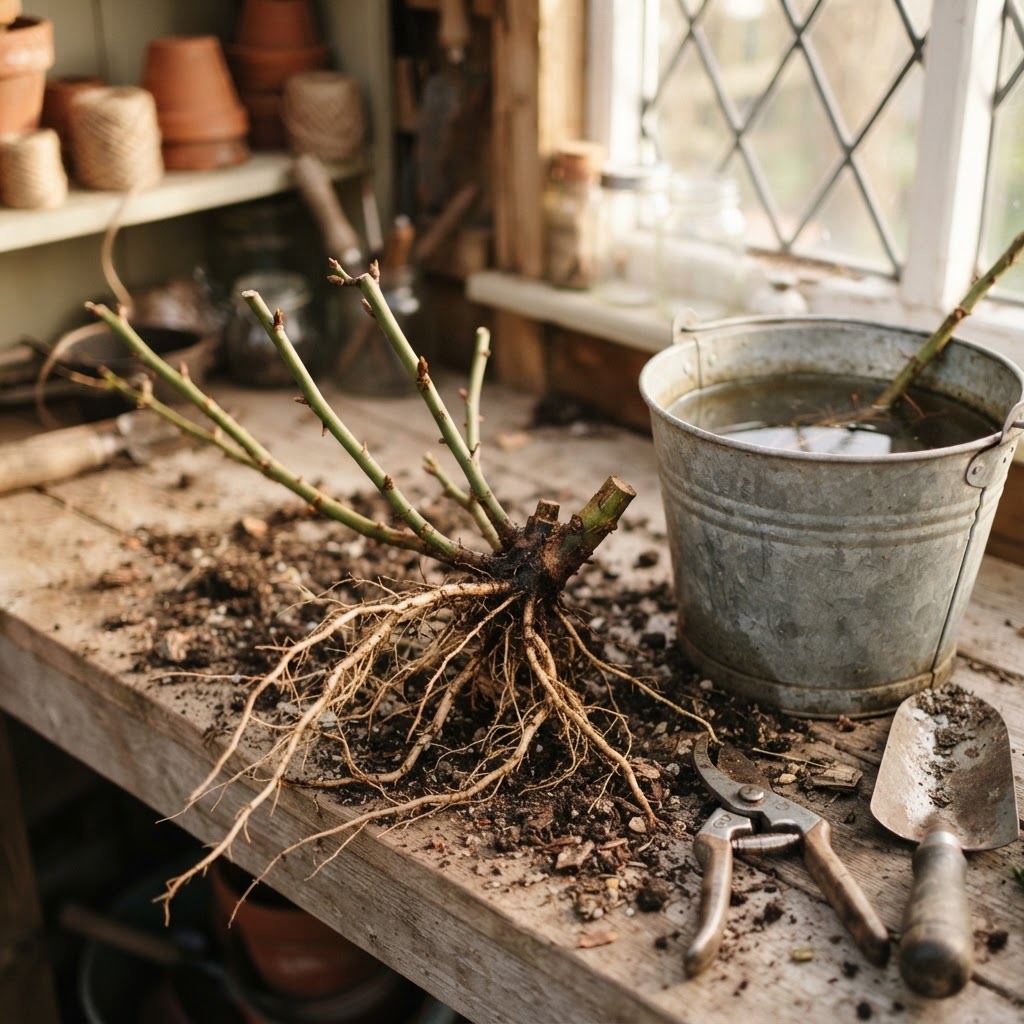
Bare Root Roses: The Complete Beginner's Guide
A bare root rose is a dormant plant dug from the field and shipped without soil — it looks like a bundle of sticks, but it is the cheapest, widest-selection way to buy roses and often establishes faster than a potted plant. Success comes down to four things: soak the roots 8–24 hours before planting, get it in the ground while dormant, keep the soil moist (not swampy) for the first two months, and resist fertilizing until new growth appears. The steps below cover everything from choosing a healthy plant to your first blooms.
Updated September 11, 2026
Read More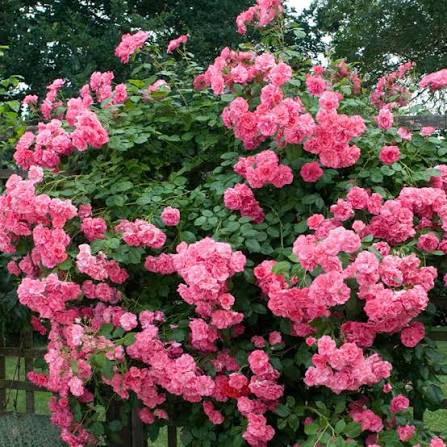
Top 10 Shade-Tolerant Roses for Zones 8-10
The roses that genuinely keep blooming in partial shade in zones 8-10 are the Noisette climber Mme. Alfred Carrière, the thornless Bourbon Zéphirine Drouhin, the hybrid musks Buff Beauty and Sally Holmes, and the tiny-flowered polyanthas Cécile Brunner and Perle d'Or — old, vigorous classes that evolved before modern sun-demanding hybrid teas. One honest caveat: no rose blooms in full, dense shade. These ten will flower on 3-4 hours of sun or bright open shade, which in hot zones 8-10 is often better than blazing all-day sun anyway.
Updated September 10, 2026
Read More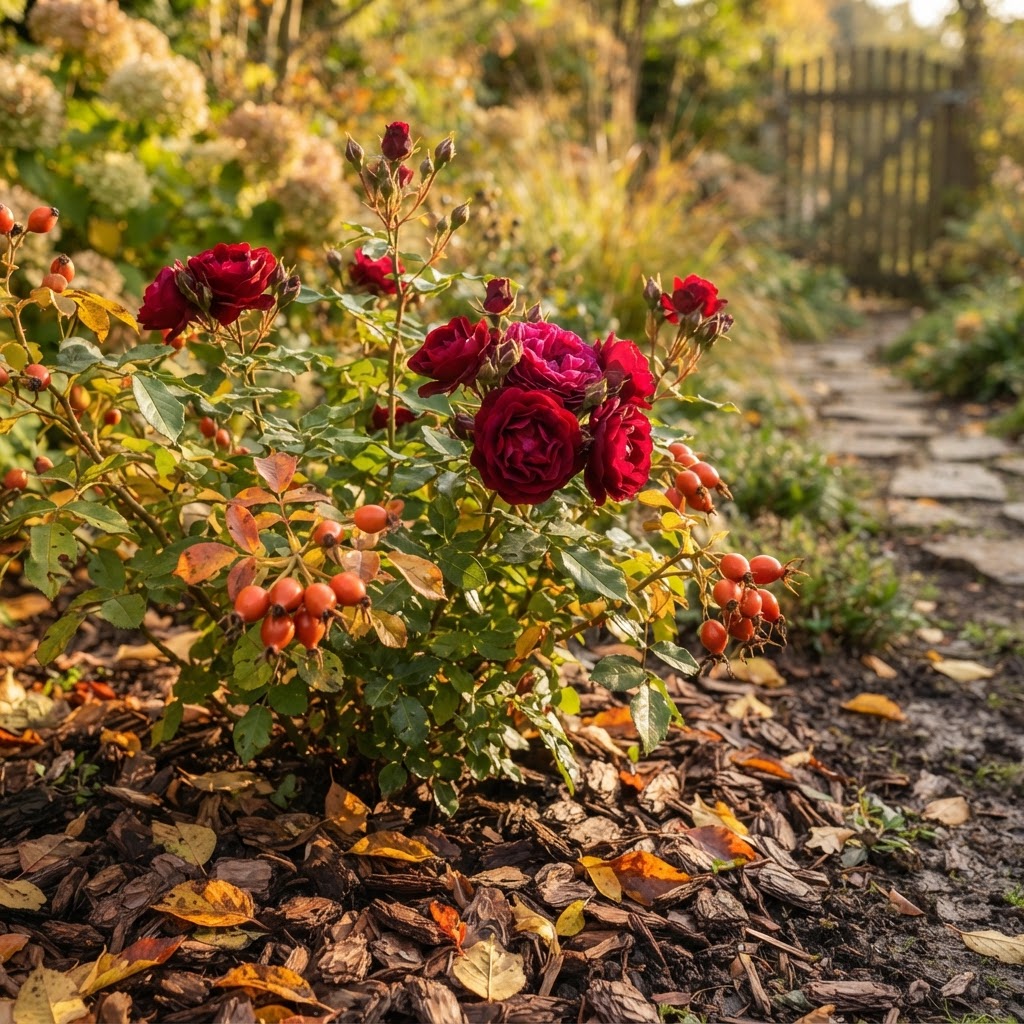
8 Simple Things to Do Now to Prepare Your Roses for Fall
Fall rose care is less about doing more and more about doing the right things: ease up on fertilizer so the plant stops pushing tender growth, clean up fallen and diseased leaves, refresh the mulch, keep deep watering during dry spells, skip the heavy pruning, let some hips form, feed the soil, and start planning next year’s wish list. A little attention now means healthier plants, fewer disease problems, and a spectacular spring flush next year.
Updated September 10, 2026
Read More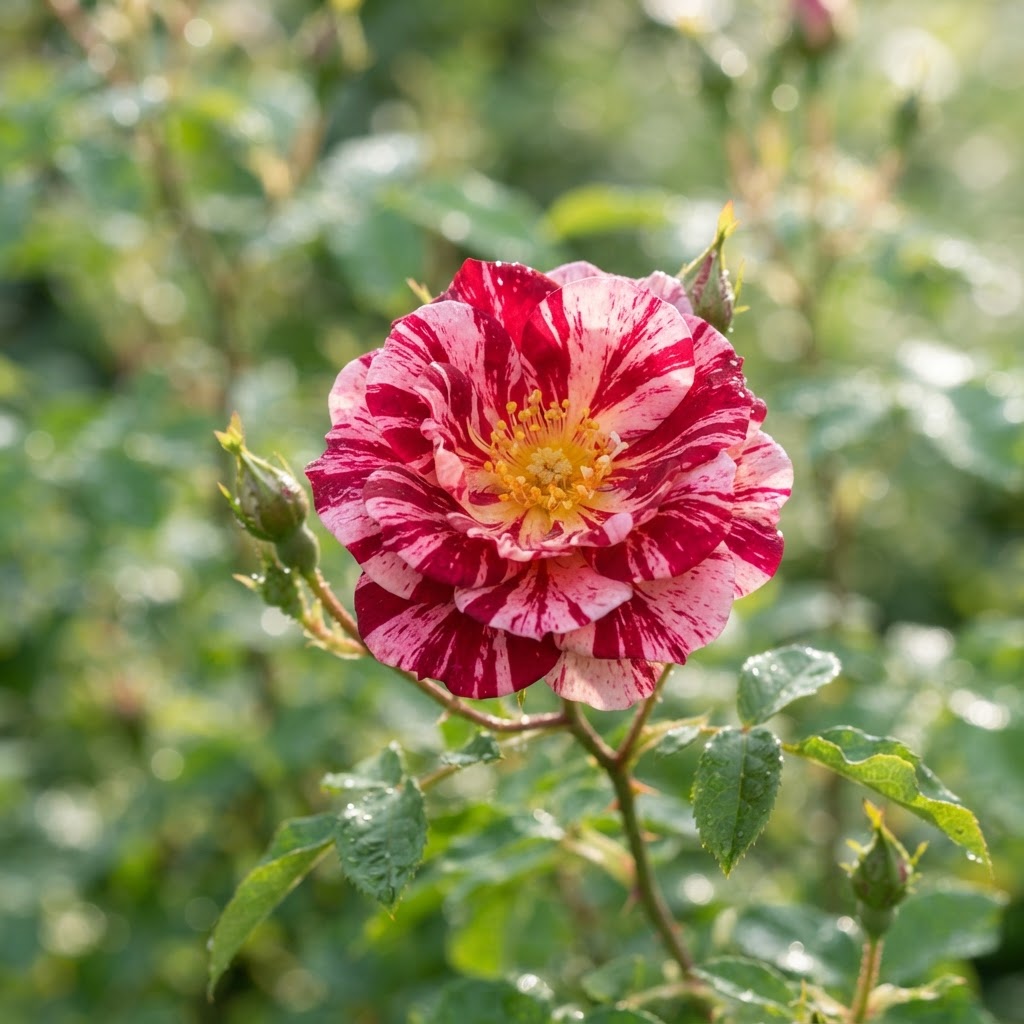
Chimera Roses Explained: Nature’s Two-Tone Roses
A chimera rose is a single rose bush carrying two genetically different sets of cells, layered on top of each other in the growing tips. When those two cell lines produce different petal colors, every bloom gets painted in striking two-tone stripes or sectors — sometimes split cleanly down the middle. Chimeras arise by spontaneous mutation, survive only through cuttings and grafting, and include some of the most famous striped roses in history, like Rosa mundi.
Updated September 10, 2026
Read More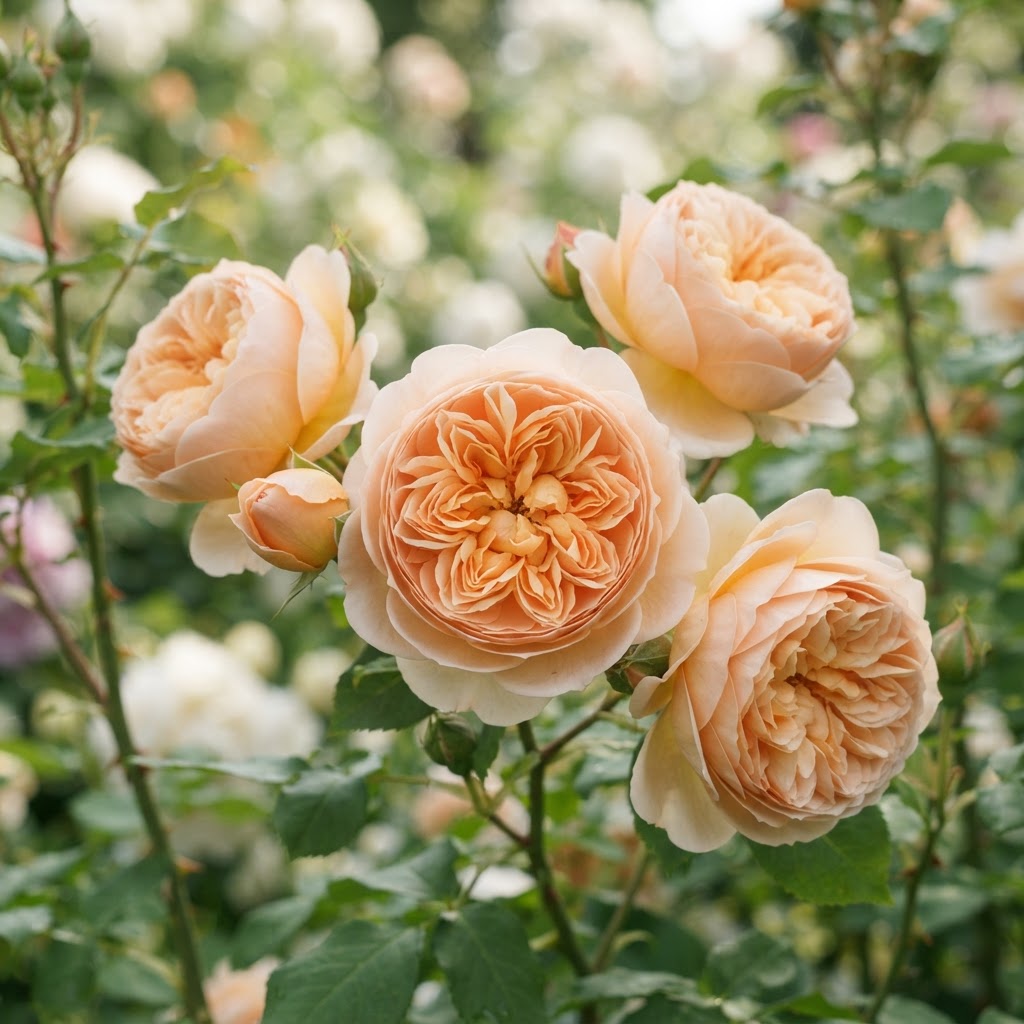
The £3 Million Rose: The Story of David Austin’s Juliet
The Juliet rose is widely reported to have cost David Austin Roses around £3 million to develop — not because a single bush sold for millions, but because Juliet took roughly fifteen years of crossing, growing, and culling tens of thousands of seedlings to create. The bill is for patience: fifteen years of a breeding program aimed at one perfect peachy, old-fashioned bloom.
Updated September 10, 2026
Read More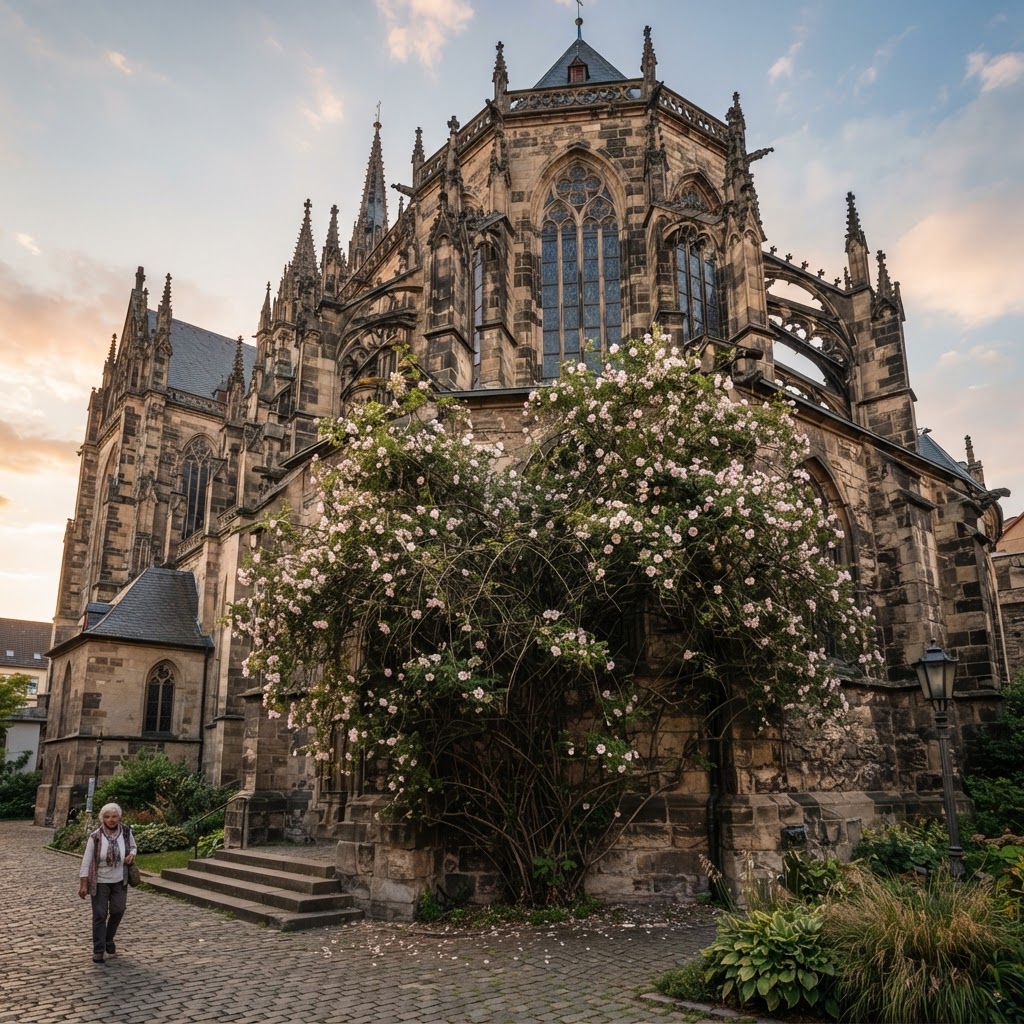
The World’s Oldest Living Rose: The 1,000-Year-Old Rose of Hildesheim
The oldest known living rose is a wild dog rose (Rosa canina) growing against the apse wall of Hildesheim Cathedral in Germany. Its existence has been documented for roughly seven hundred years, local legend traces it back more than a thousand — and in 1945, when Allied bombing destroyed the cathedral around it, the rose’s roots survived and it grew back.
Updated September 10, 2026
Read More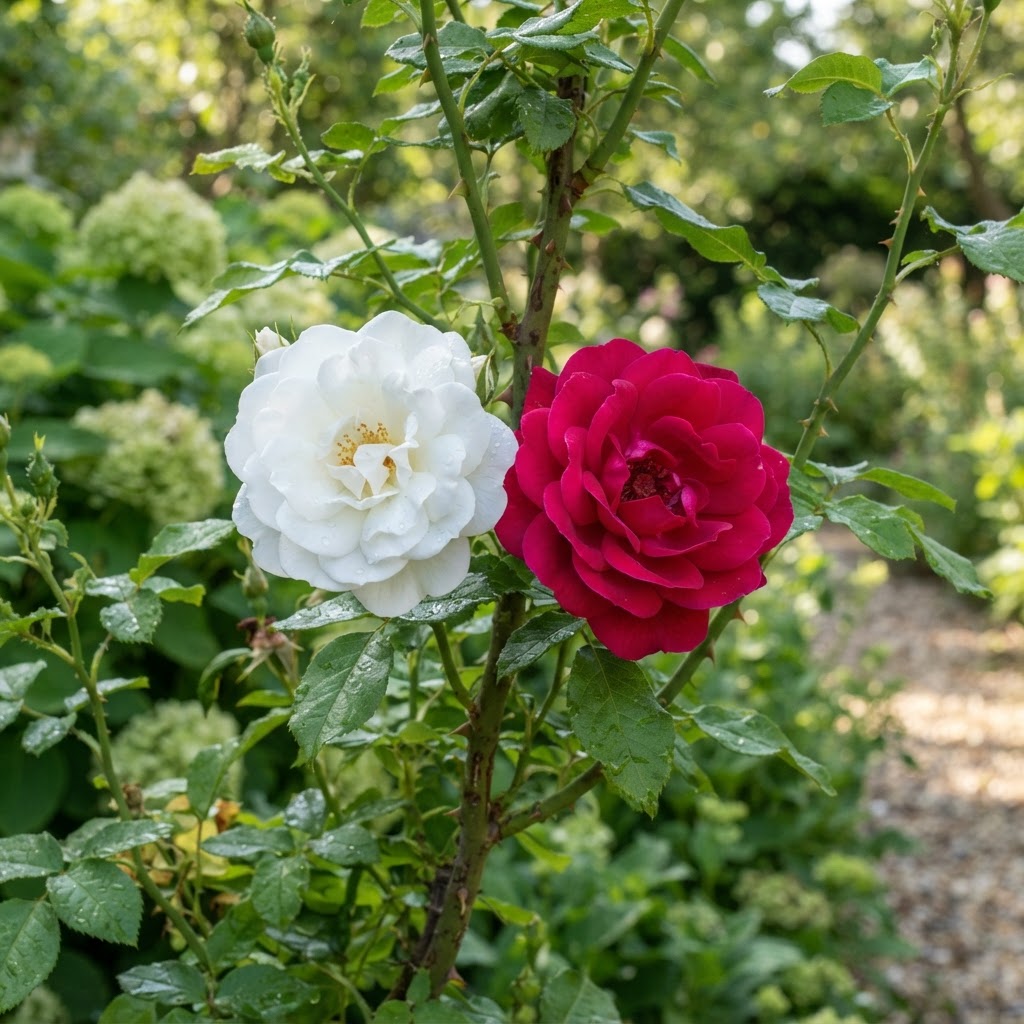
Rose Sports Explained: How One Bush Becomes a New Variety
A rose sport is a spontaneous mutation on one part of a bush — a single cane that suddenly grows taller, climbs, or blooms a different color than the rest of the plant. Gardeners have noticed these oddball canes for centuries, and many of the world’s most famous roses — Climbing Iceberg, Chicago Peace, and New Dawn among them — started life as sports that someone had the good sense to propagate.
Updated September 10, 2026
Read More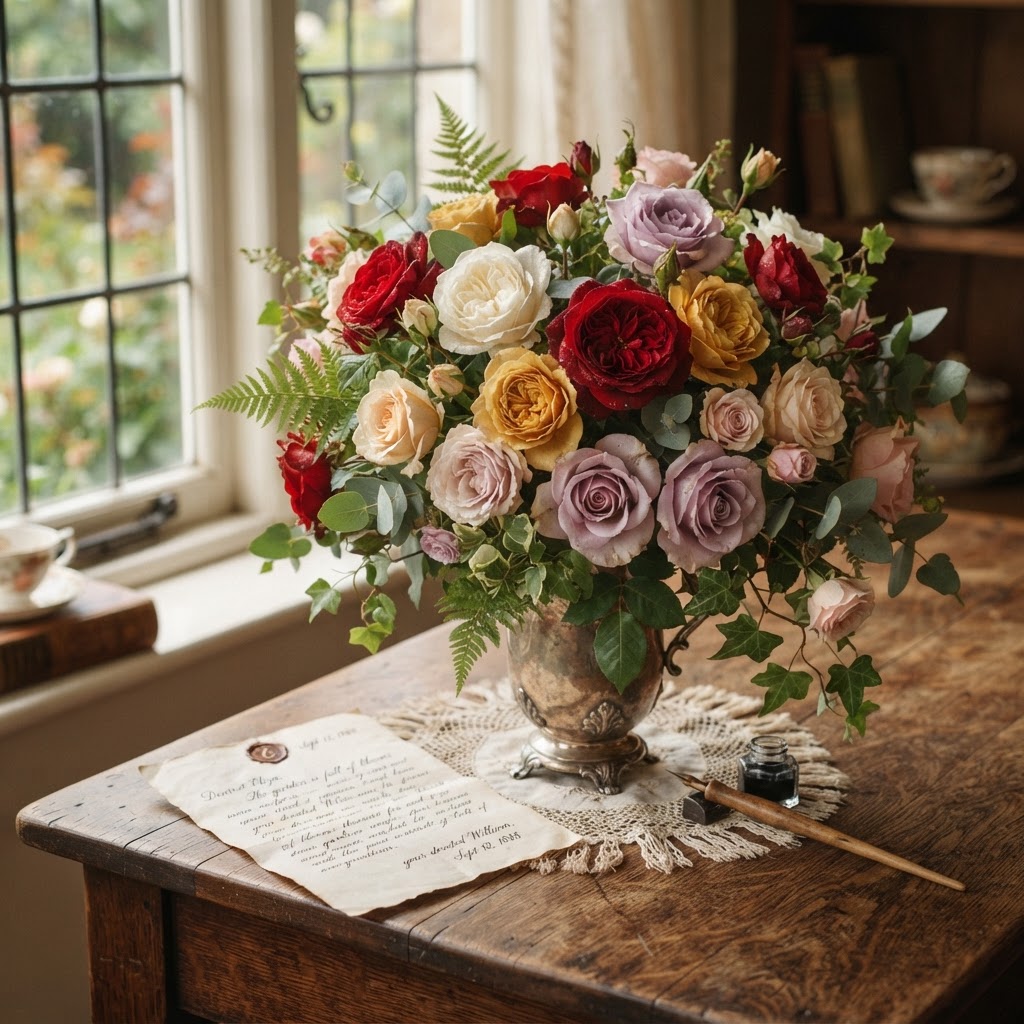
The Language of Roses: What Every Color and Number Secretly Means
In the Victorian language of flowers, roses carried coded messages: red for love, white for purity, pink for admiration, yellow — surprisingly — for jealousy or infidelity. Even the number of stems had a meaning, from a single rose (love at first sight) to a dozen (be mine). Once you know the code, every bouquet becomes a small telegram.
Updated September 10, 2026
Read More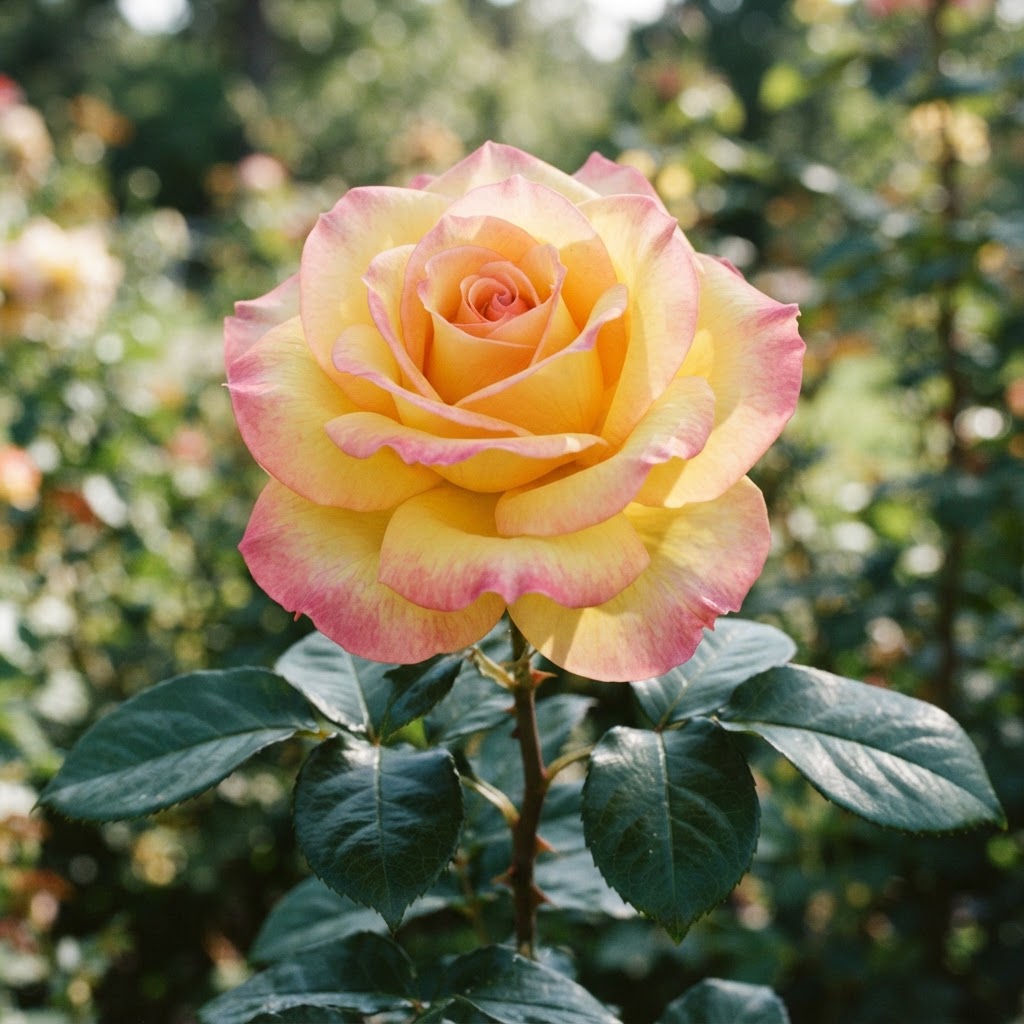
The Rose That Survived a War: The Story of the Peace Rose
The Peace rose was bred in France in the years before World War II, then smuggled out of occupied Europe on the very last shipments to leave — one package famously traveling in a diplomatic pouch. As the war destroyed the world that created it, the rose survived in gardens on three continents. On April 29, 1945, the day Berlin fell, it was given its name: Peace. It went on to become one of the most successful roses of all time.
Updated September 10, 2026
Read More
Best Roses for Zone 6
The best roses for zone 6 combine genuine cold hardiness with season-long bloom: The Fairy, Carefree Beauty, Knock Out, Quietness, and William Baffin lead the list. Every pick here survives zone 6 winters (roughly -10 to 0°F at the coldest) with little or no special protection, and every one repeat-blooms from June to frost rather than flowering once in spring.
Updated September 5, 2026
Read More
Best Roses for Zone 7
In zone 7 you can grow nearly every class of rose — the challenge is summer heat and humidity, not winter. Mister Lincoln, Double Delight, Julia Child, Graham Thomas, and Belinda’s Dream top our list, chosen because they combine real beauty with proven staying power through zone 7’s long, muggy growing season. All ten repeat-bloom without any winter protection.
Updated September 5, 2026
Read More
Best Roses for Zone 8
Zone 8 gardeners need roses that take long, humid summers in stride: Mutabilis, Belinda’s Dream, Ducher, Knock Out, and Madame Isaac Pereire head the list. This lineup leans on the heat-proof China roses that thrive across the Southeast and on modern shrubs proven to hold clean foliage without spraying. All ten bloom straight through the heat.
Updated September 5, 2026
Read More
Best Roses for Zone 9
For zone 9’s long, hot summers, the most reliable roses are the heat-proof antiques and rugged modern shrubs: Mutabilis, Old Blush, Louis Philippe, Belinda’s Dream, and Perle d’Or lead the list. These are varieties that bloom straight through 95°F days that shut down most modern roses, and none of them need spraying to hold healthy foliage.
Updated September 5, 2026
Read MoreBest Roses for Zone 10
Zone 10’s frost-free climate favors roses that bloom nearly year-round: Sally Holmes, Iceberg, Julia Child, Double Delight, and Graham Thomas top the list. The challenge here is not cold — it is choosing varieties that keep flowering without a true winter dormancy and hold up to dry summer heat or coastal humidity. All ten picks bloom in waves for ten months or more.
Updated September 5, 2026
Read More
Best Roses for Zone 11
In zone 11’s tropical and near-tropical gardens — South Florida, the Gulf Coast, Hawaii — the proven roses are the heat- and humidity-proof ones: Louis Philippe, Mutabilis, Old Blush, Belinda’s Dream, and Ducher lead the list. Roses here never go dormant and bloom year-round, so the picks favor varieties that flower continuously and handle relentless warmth without spraying.
Updated September 5, 2026
Read More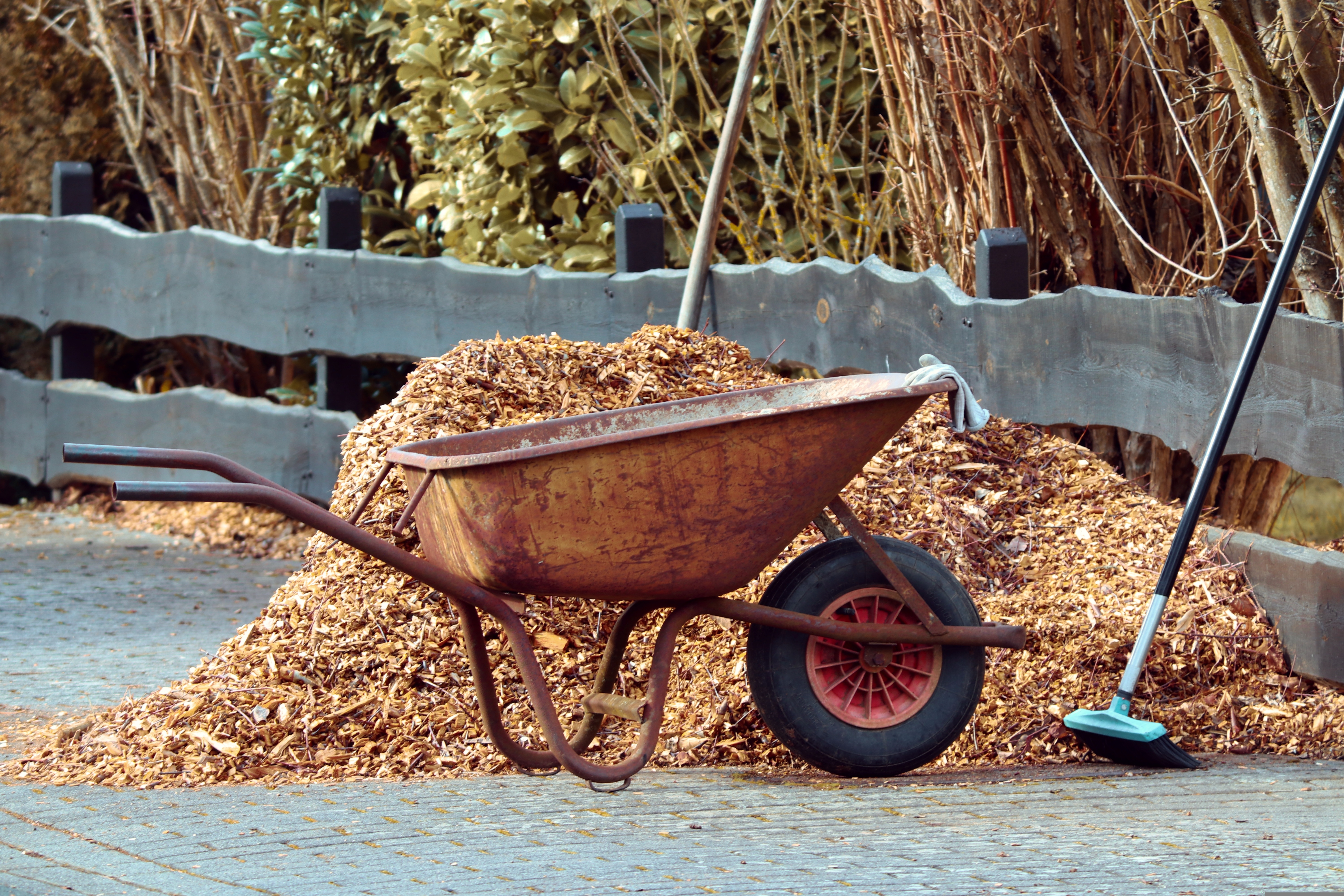
Winter Rose Protection for Zones 6 & 7
Most hardy shrub roses in zones 6 and 7 need nothing more than a late-fall mound of mulch over the crown — 10 to 12 inches of compost, shredded leaves, or bark applied after the ground has begun to freeze. Grafted hybrid teas, floribundas, first-year plants, and marginally hardy varieties benefit from a bit more: fall cleanup, canes tied against wind, and for containers and tree roses, actual shelter. Everything else — rose cones, burlap, burying — is optional for the roses on our zone 6 and zone 7 lists.
Updated September 5, 2026
Read More
Zone 9 & 10 Rose Care Calendar
In zones 9 and 10 the rose year is organized around the late-winter reset: hard prune and clean-up in January–February, a feeding program that starts with the first growth flush, deliberate heat management through July and August, and — the reward of warm-climate growing — a second spring in fall, when the best blooms of the year open in October and November. The calendar below walks the full year.
Updated September 5, 2026
Read More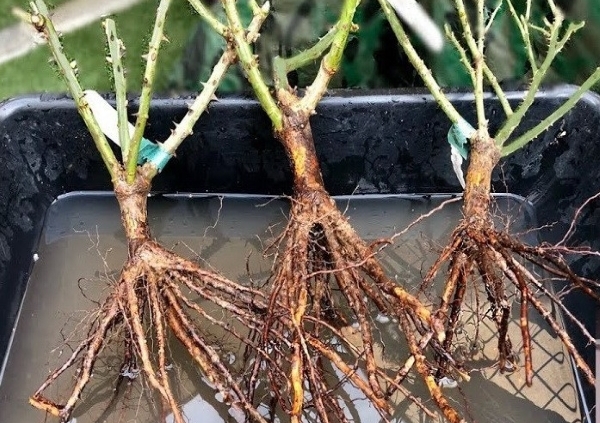
Do Roses Need Chill Hours to Bloom?
Most roses do not need winter chill to bloom. Modern repeat-blooming roses — hybrid teas, floribundas, shrub roses, and nearly every rose sold at a garden center — flower on new growth, so mild winters simply mean more growth and more flowers. The exceptions are once-blooming old garden roses, ramblers, and some species roses, which need a seasonal rest to set their single big spring show and grow disappointingly in frost-free climates.
Updated September 5, 2026
Read More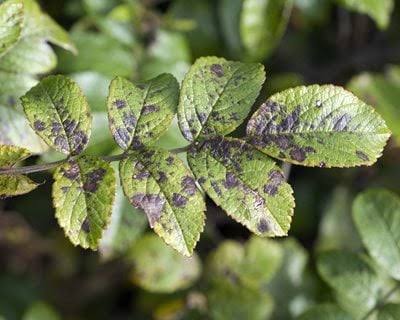
How to Get Rid of Black Spot on Roses
Black spot is a fungal disease that causes circular black spots on rose leaves, followed by yellowing and leaf drop. Treat it by removing every infected leaf, watering only at the base, and applying a fungicide every 7–14 days until new growth comes in clean. Prevent it with full sun, good airflow, and a thorough fall cleanup.
Updated September 4, 2026
Read More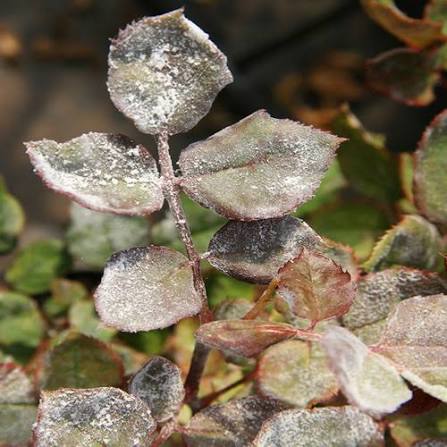
Powdery Mildew on Roses: Treatment & Prevention
Powdery mildew is a fungal disease that coats rose leaves, buds, and new shoots in a white, talc-like powder, often distorting the growth. Treat it by pruning out infected shoots, improving sun and airflow, and spraying with sulfur, potassium bicarbonate, or a systemic fungicide until new growth is clean. Prevent it by avoiding crowded planting and heavy nitrogen feeding.
Updated September 4, 2026
Read More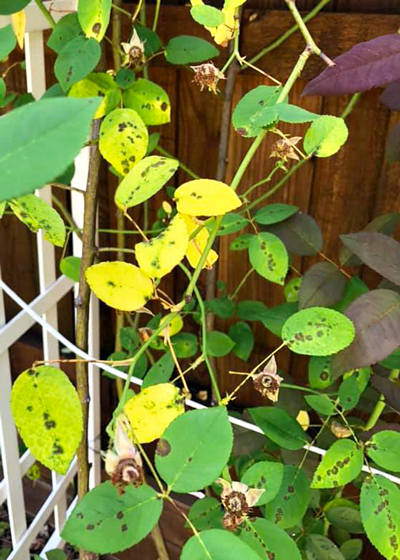
Why Are My Rose Leaves Turning Yellow?
Yellowing leaves are a symptom, not a single disease. The pattern tells the story: yellow with black spots means black spot; yellow between green veins points to chlorosis; evenly yellow, dry leaves mean drought; and scattered yellow lower leaves in late summer can simply be natural aging. Match your pattern below to find the cause and the fix.
Updated September 4, 2026
Read More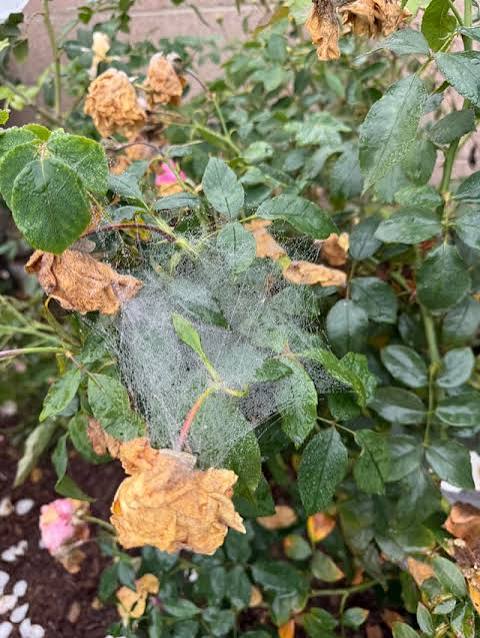
Spider Mites on Roses: Signs, Treatment & Prevention
Spider mites are tiny sap-sucking arachnids that leave rose foliage stippled and bronzed with fine webbing on leaf undersides, and they explode during hot, dry weather. Treat them by blasting leaf undersides with a hard stream of water daily for about a week, following with insecticidal soap or a miticide for heavy infestations. Keep plants hydrated and dust down to prevent them.
Updated September 4, 2026
Read More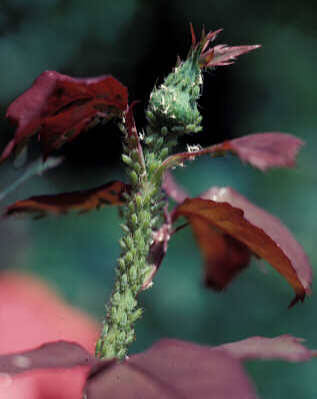
Aphids on Roses: Signs, Treatment & Prevention
Aphids are small, soft-bodied sap-sucking insects that cluster on rose buds and tender new shoots, leaving sticky honeydew, curled growth, and ants in their wake. Treat them with a firm spray of water, insecticidal soap, or by wiping small clusters off by hand — repeat as needed. Prevent outbreaks by holding back on nitrogen-heavy feeding and letting ladybugs and lacewings do the patrol work.
Updated September 4, 2026
Read More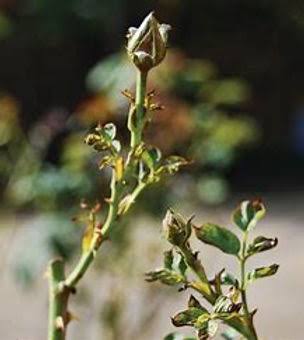
Thrips on Roses: Signs, Treatment & Prevention
Thrips are sliver-thin insects that rasp and feed inside rose blooms, leaving petals with brown, scorched edges and buds that open distorted or stall entirely. Treat them by removing and binning damaged blooms, spraying unopened buds with insecticidal soap or spinosad, and hanging blue sticky traps. Prevent them by cleaning up spent blooms and letting natural predators work.
Updated September 4, 2026
Read More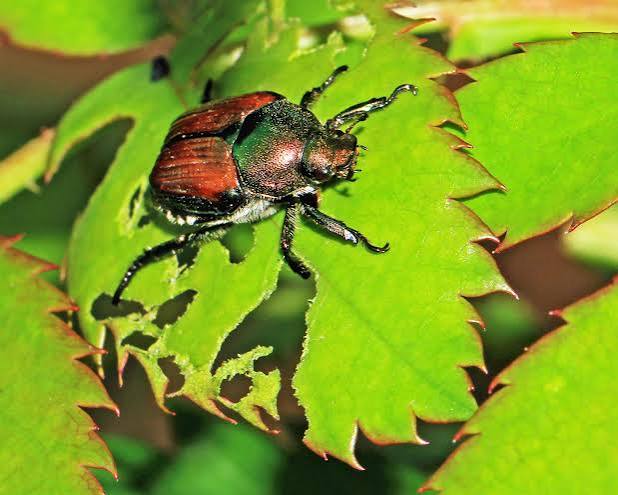
Japanese Beetles on Roses: Control & Prevention
Japanese beetles skeletonize rose foliage and mob blooms from June through August. Control adults by knocking them into soapy water each cool morning, using targeted sprays only for heavy damage, and treating lawns for grubs in late summer to shrink next year’s population. Never use pheromone traps — they lure far more beetles to your garden than they catch.
Updated September 4, 2026
Read More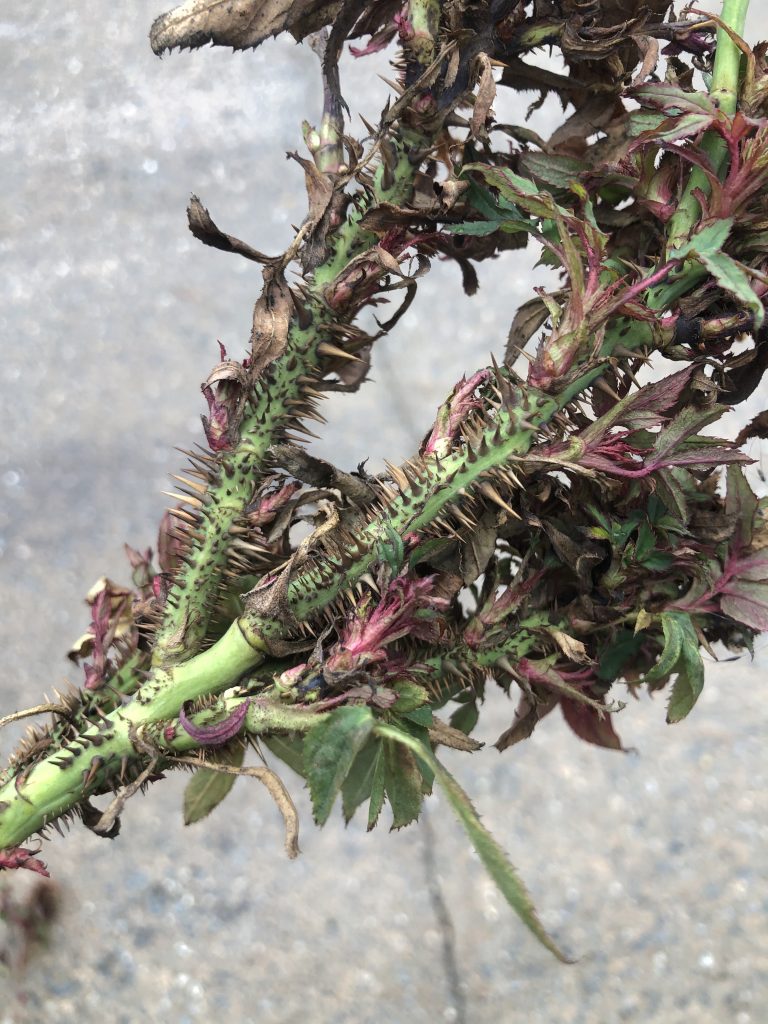
Rose Rosette Disease: Symptoms, Spread & What to Do
Rose rosette disease (RRD) is an incurable virus spread by a microscopic mite, which makes new rose growth thick, red, overly thorny, and distorted — often in witch’s-broom clusters. There is no cure: a diagnosed rose must be removed entirely, roots and all, and destroyed rather than composted, to protect the other roses in your garden, especially shrub roses.
Updated September 4, 2026
Read More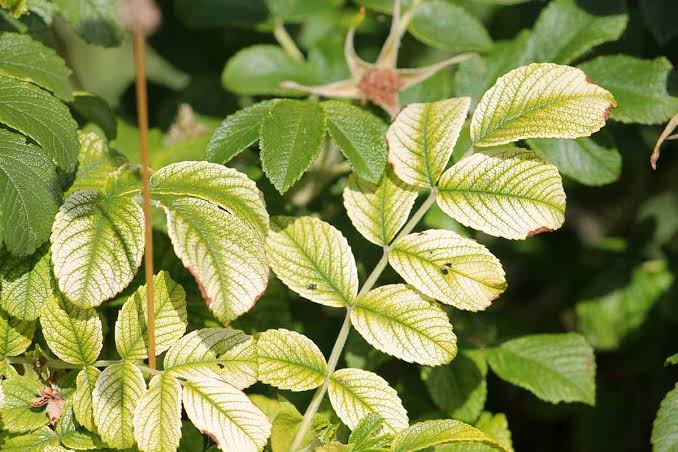
Chlorosis in Roses: Why Leaves Yellow with Green Veins
Leaves that yellow between still-green veins are the classic sign of iron chlorosis — and the cause is almost never a lack of iron in the soil. Alkaline soil pH, soggy or compacted roots, or overwatering locks iron out of the plant. Apply chelated iron for a fast green-up, but fix the real cause: test your soil, correct drainage, and adjust watering.
Updated September 4, 2026
Read More
Why Your Rose Isn’t Blooming: 6 Causes & Fixes
Roses that grow plenty of leaves but few or no blooms are usually missing sunlight — most varieties need at least six hours of direct sun — or are getting too much nitrogen, were pruned at the wrong time, or are still too young to flower well. Drought stress, deep planting, and pests eating the buds account for most of the rest. Work through the causes below.
Updated September 4, 2026
Read More
Top 10 Climbing Roses for Zone 6
The best climbing roses for zone 6 combine real cold hardiness with repeat bloom: New Dawn, Eden, Climbing Iceberg, Don Juan, and Westerland top the list. Each pick below is hardy to at least zone 6 without special protection, repeats through summer rather than blooming once, and has the vigor to cover an arch, fence, or pillar within a few seasons.
Updated September 4, 2026
Read More
Top 10 Climbing Roses for Zone 7
Zone 7 opens the door to the big, romantic climbers that need more warmth: Lady Banks, Mermaid, and the old Noisettes lead the list. Every pick below is fully hardy in zone 7, healthy without routine spraying, and big enough to cover a wall, pergola, or fence — choose repeat bloomers if you want flowers all season, and the once-bloomers for one jaw-dropping spring show.
Updated September 4, 2026
Read MoreTop 10 Most Fragrant Roses
The benchmark fragrant roses are Mister Lincoln and Papa Meilland among red hybrid teas, Double Delight for spice-plus-sweet, and Gertrude Jekyll and Munstead Wood among modern shrubs — with the old Bourbon Madame Isaac Pereire as the all-out perfume champion. Every pick below is fragrant at garden-nose distance, not just when sniffed up close, and each carries its scent character — damask, tea, fruity, or myrrh — so you can choose the perfume you actually want.
Updated September 4, 2026
Read More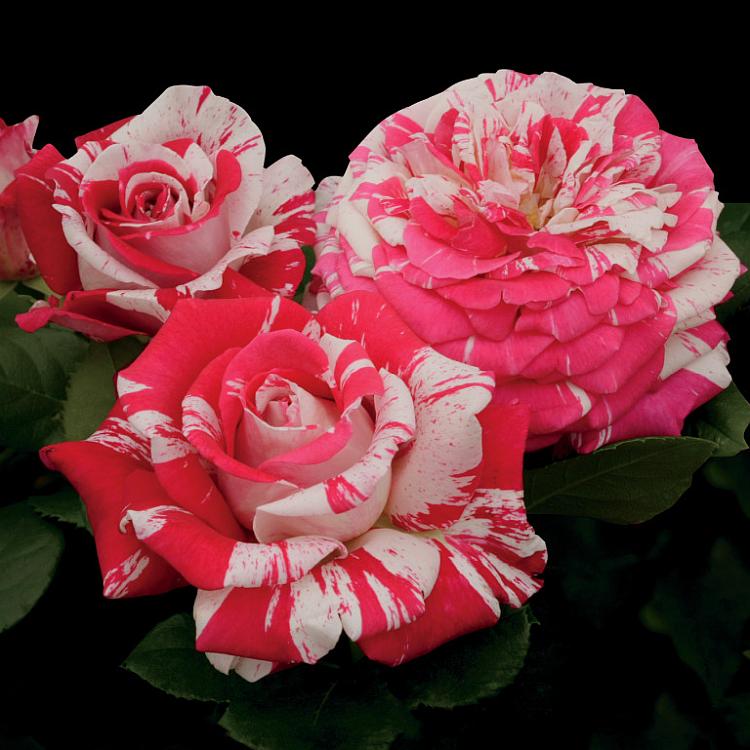
Top 10 Multicolored & Striped Roses
The best multicolored roses span four centuries: Rosa Mundi and Ferdinand Pichard for classic candy-striping, Fourth of July for a striped climber, and Peace for the most famous bicolor of all. Every pick below holds its pattern reliably (stripes do vary a little with temperature), and together they cover every garden use — shrub, climber, pillar, and pot.
Updated September 4, 2026
Read MoreKeep this guide in your pocket
PetalPals journals every rose you grow, reminds you when to spray and feed, and helps you identify problems from a single photo — free to join.