

Mister Lincoln
Swim & Weeks, 1964 · Zones 5–9 · Deep velvet red · Intense damask fragrance
The rose “most fragrant” lists are tested against. A mature bush in warm evening air carries its damask perfume ten feet, and a single long-stemmed bloom will scent a room. Sixty years on, still the standard red fragrant hybrid tea.
View Mister Lincoln in the PetalPals catalog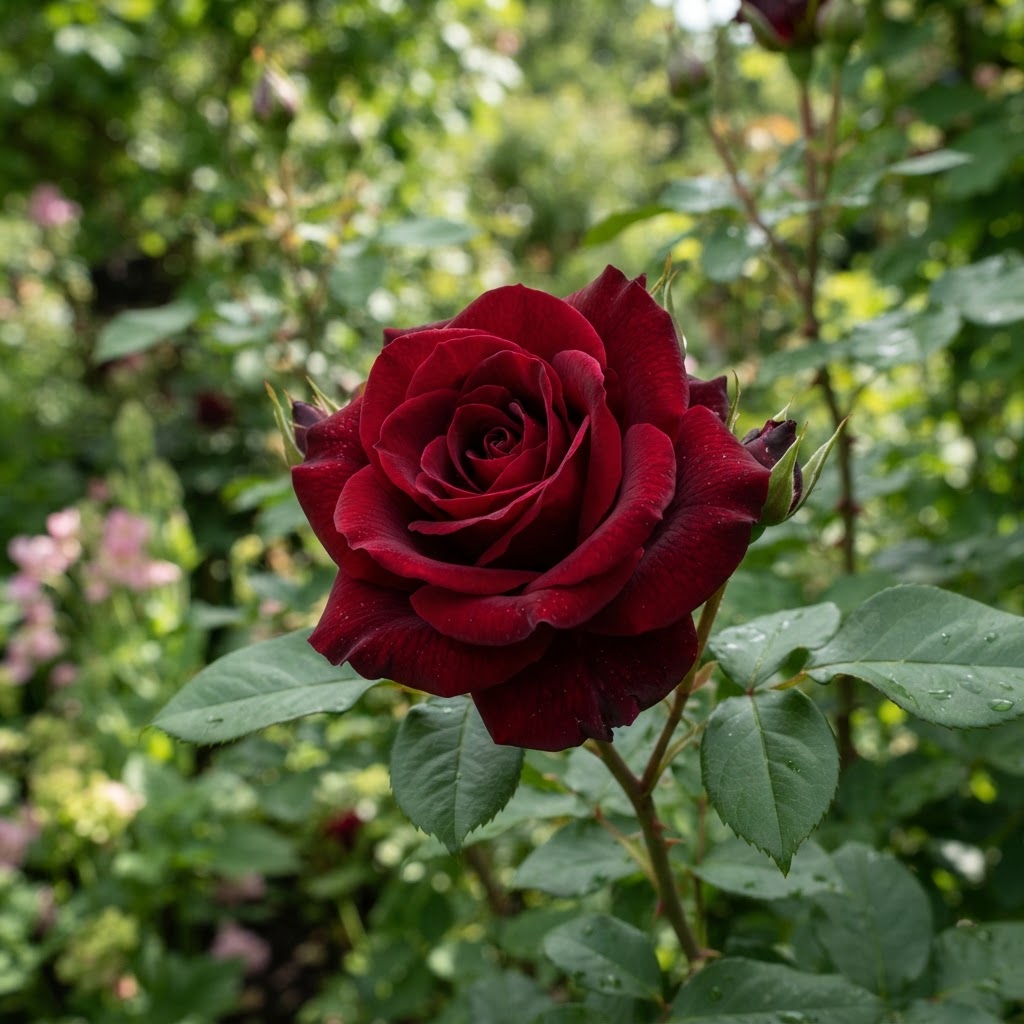
Papa Meilland
Meilland, 1963 · Zones 6–9 · Crimson · Very strong damask fragrance
Rival to Mister Lincoln and often judged richer — a deeper, darker damask scent from deep crimson hybrid tea blooms. Slightly less vigorous, so in humid climates give it generous airflow and morning sun to dry the leaves.
View Papa Meilland in the PetalPals catalog
Double Delight
Swim & Ellis, 1977 · Zones 5–9 · Cream with red edges · Strong spicy-sweet fragrance
Fragrance and showmanship in one plant: the creamy petals redden at the edges as they open, and the scent is a famous blend of sweet rose and warm spice. Blooms nonstop all season, so the perfume never takes a break either.
View Double Delight in the PetalPals catalogGertrude Jekyll
David Austin, 1986 · Zones 5–9 · Clear pink · The classic old rose scent fragrance
If “rose perfume” means one specific smell to you, this is almost certainly it — the old damask scent, strong and true, on a modern repeat-blooming shrub that flowers from June to frost. Slightly prickly and best grown as a bushy shrub rose.

Munstead Wood
David Austin, 1991 · Zones 5–9 · Deep crimson-purple · Old rose with fruity violet fragrance
Gertrude Jekyll’s dark-romantic cousin — velvety claret blooms with a rich old-rose scent layered over blackcurrant and violet. A bushy, healthy shrub that stays around four feet, making it the best intensely fragrant rose for a smaller garden.
View Munstead Wood in the PetalPals catalog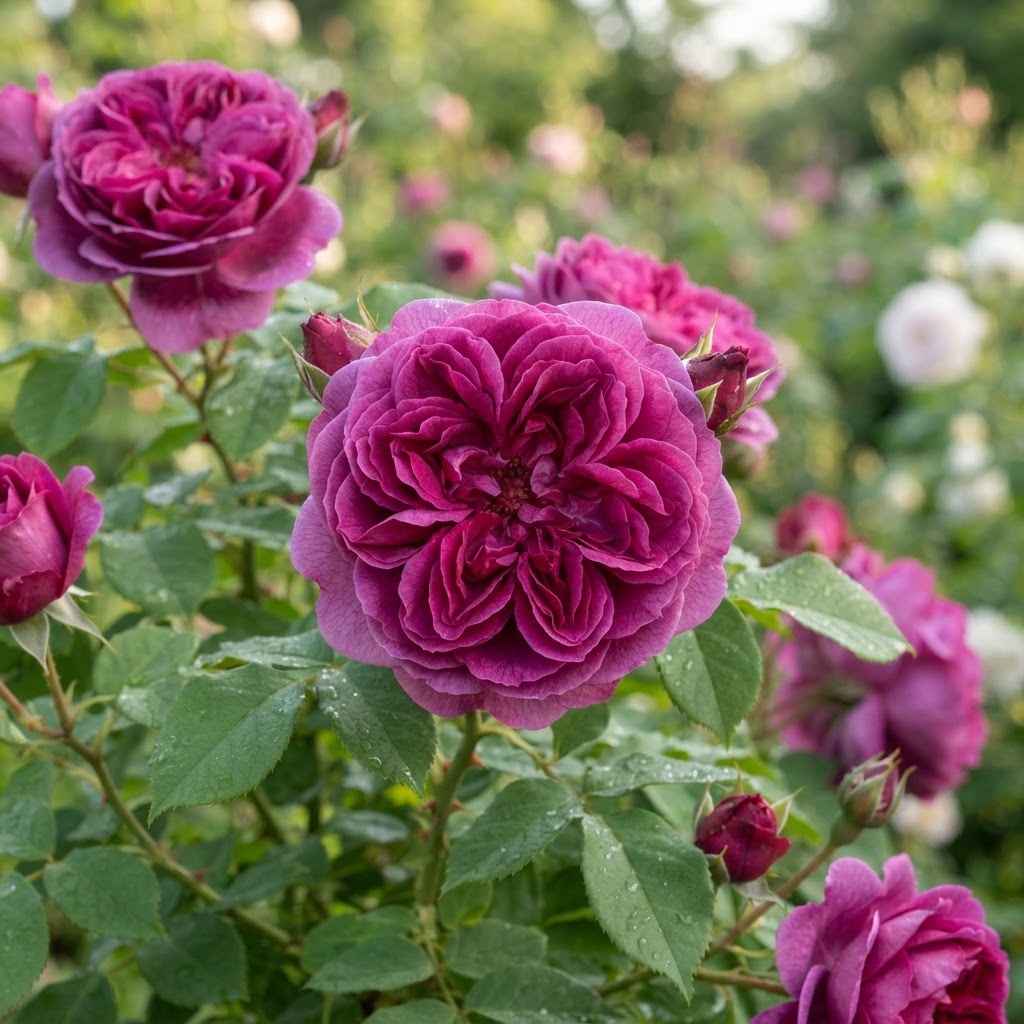
Madame Isaac Pereire
Garçon, 1881 · Zones 6–9 · Rose-pink, quartered · Intensely fruity old rose fragrance
The perfume champion of the old garden roses — a mature plant in October bloom can stop you from across the garden. Old-fashioned quartered pink flowers on a Bourbon that repeats, with a spectacular fall flush that rivals its summer one.
View Madame Isaac Pereire in the PetalPals catalog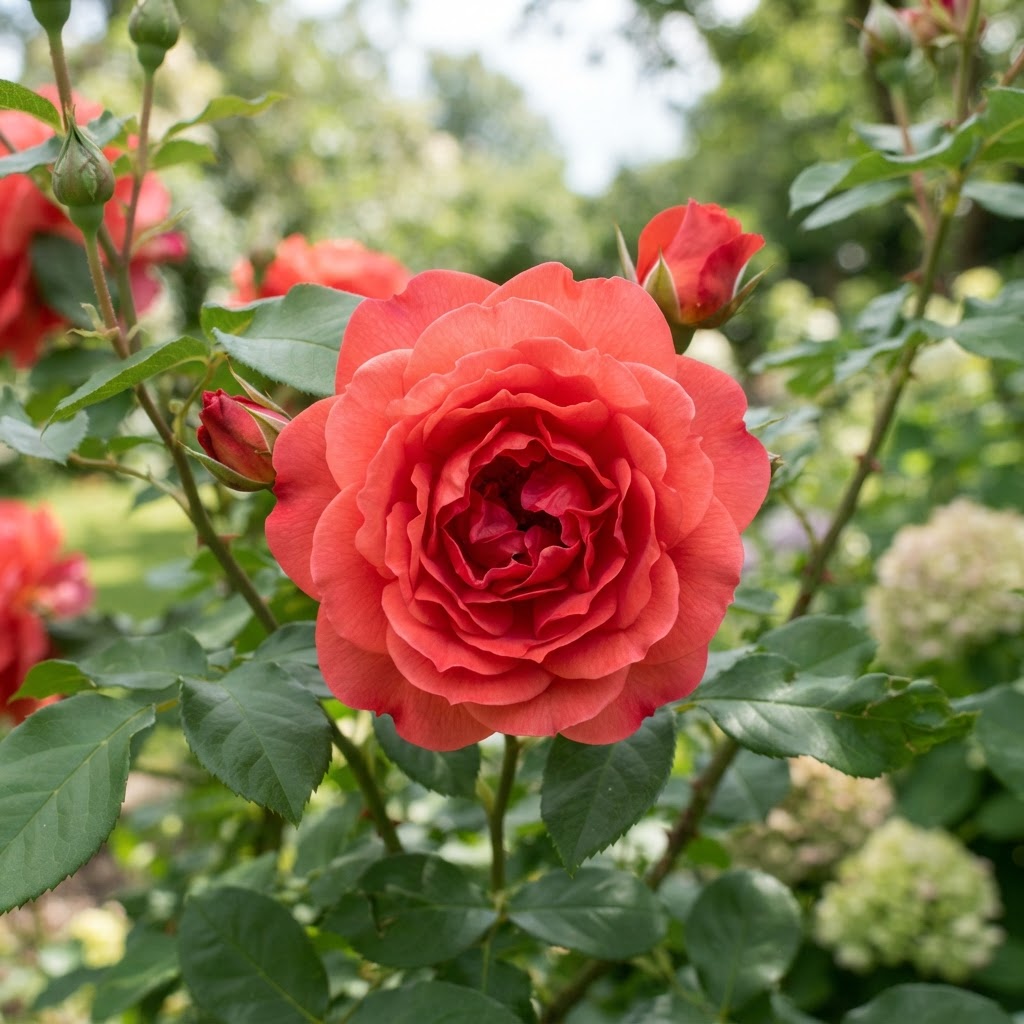
Fragrant Cloud
McGredy, 1963 · Zones 6–9 · Coral-orange · Strong sweet-fruity fragrance
Proof that fragrance isn’t only red: rich coral-orange blooms with a heavy, fruity, almost tropical perfume. A tidy hybrid tea that delivers scent in a color palette where true fragrance is rare.
View Fragrant Cloud in the PetalPals catalog
Crimson Glory
Wilhelm Kordes, 1935 · Zones 6–9 · Velvet crimson · Classic damask fragrance
The ancestor of most fragrant red hybrid teas, and still worth a spot for its nodding, intensely perfumed velvet blooms. Old-fashioned habit — shorter and arching — that suits the front of a border where the fragrance can be reached.
View Crimson Glory in the PetalPals catalog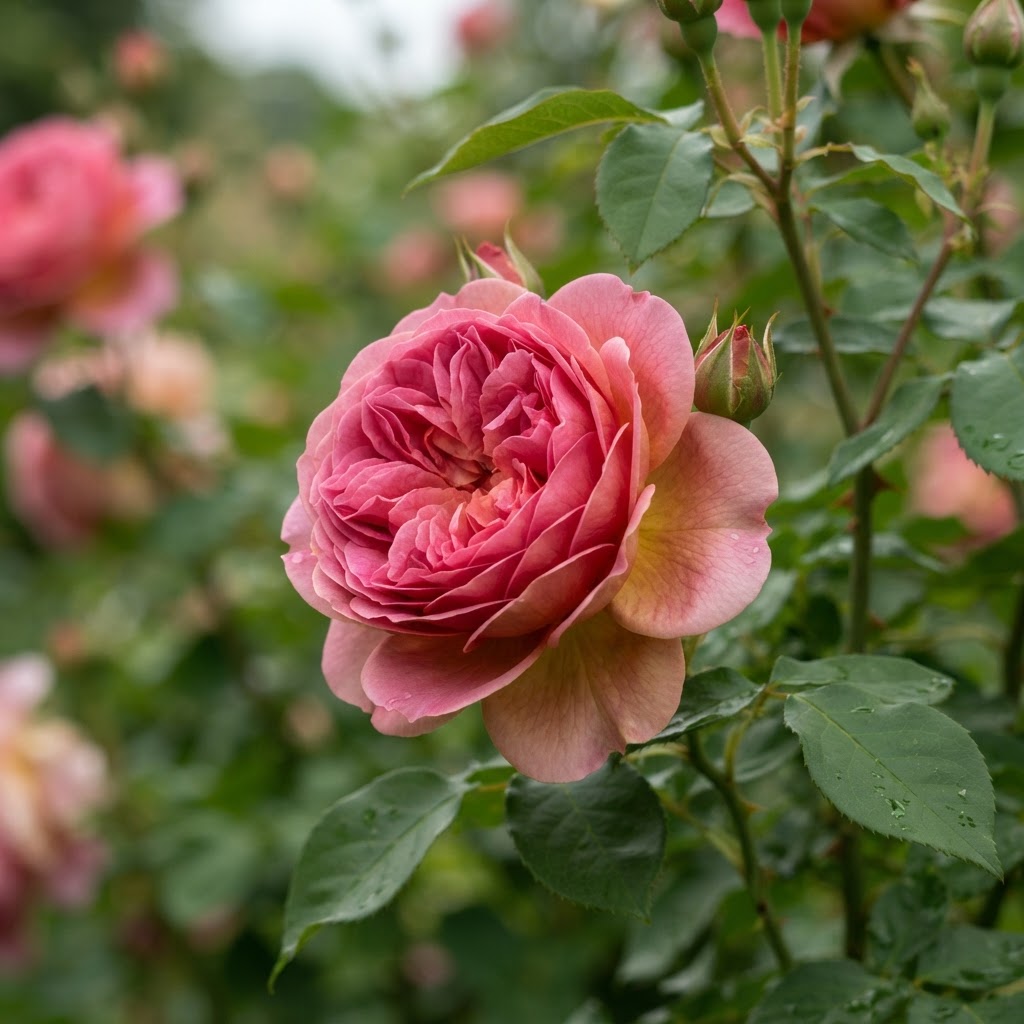
Jubilee Celebration
David Austin, 2002 · Zones 5–9 · Salmon-pink with gold · Strong fruity with lemon-raspberry fragrance
Large domed blooms of salmon-pink touched with gold, carrying one of the most complex scents of any modern rose — lemon, raspberry, and fresh fruit over a rose base. A refined, well-rounded shrub that repeats generously.
View Jubilee Celebration in the PetalPals catalog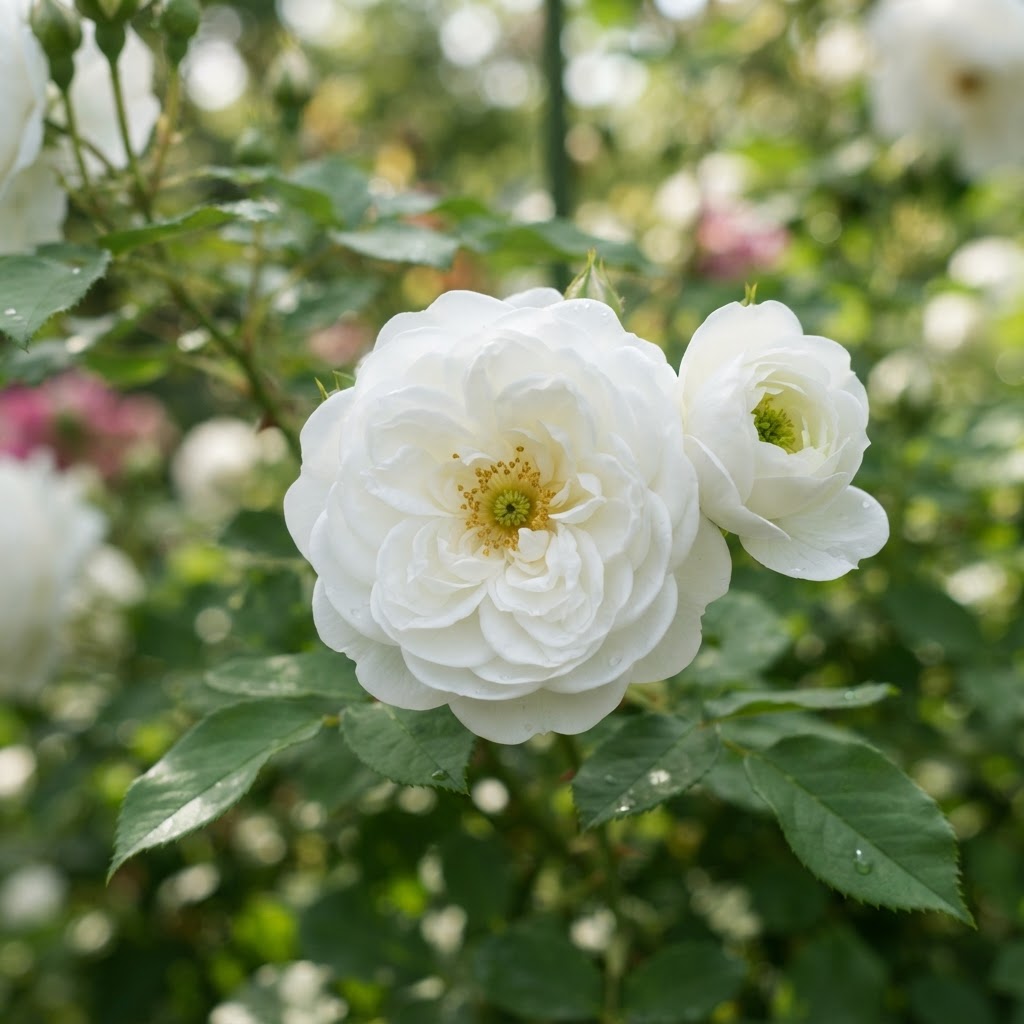
Madame Hardy
Julien-Alexandre Hardy, 1832 · Zones 4–8 · Pure white, green eye · Legendary damask fragrance
The most famous of the white damasks — snow-white, perfectly quartered blooms with a tiny green eye at the center and a scent that defined “old rose perfume” before it was named. Once-blooming in early summer, and worth every square foot it takes.
View Madame Hardy in the PetalPals catalogCommon questions
Related guides
Top 10 Multicolored & Striped Roses
The best multicolored roses span four centuries: Rosa Mundi and Ferdinand Pichard for classic candy-striping, Fourth of July for a striped climber, and Peace for the most famous bicolor of all. Every pick below holds its pattern reliably (stripes do vary a little with temperature), and together they cover every garden use — shrub, climber, pillar, and pot.
Read the guide Top 10 ListsTop 10 Climbing Roses for Zone 6
The best climbing roses for zone 6 combine real cold hardiness with repeat bloom: New Dawn, Eden, Climbing Iceberg, Don Juan, and Westerland top the list. Each pick below is hardy to at least zone 6 without special protection, repeats through summer rather than blooming once, and has the vigor to cover an arch, fence, or pillar within a few seasons.
Read the guide Top 10 ListsTop 10 Climbing Roses for Zone 7
Zone 7 opens the door to the big, romantic climbers that need more warmth: Lady Banks, Mermaid, and the old Noisettes lead the list. Every pick below is fully hardy in zone 7, healthy without routine spraying, and big enough to cover a wall, pergola, or fence — choose repeat bloomers if you want flowers all season, and the once-bloomers for one jaw-dropping spring show.
Read the guideKeep this guide in your pocket
PetalPals journals every rose you grow, reminds you when to spray and feed, and helps you identify problems from a single photo — free to join.