Fun Facts About Roses
Surprising rose science and trivia — strange botany, happy accidents, and the odd varieties behind the world’s favorite flower.
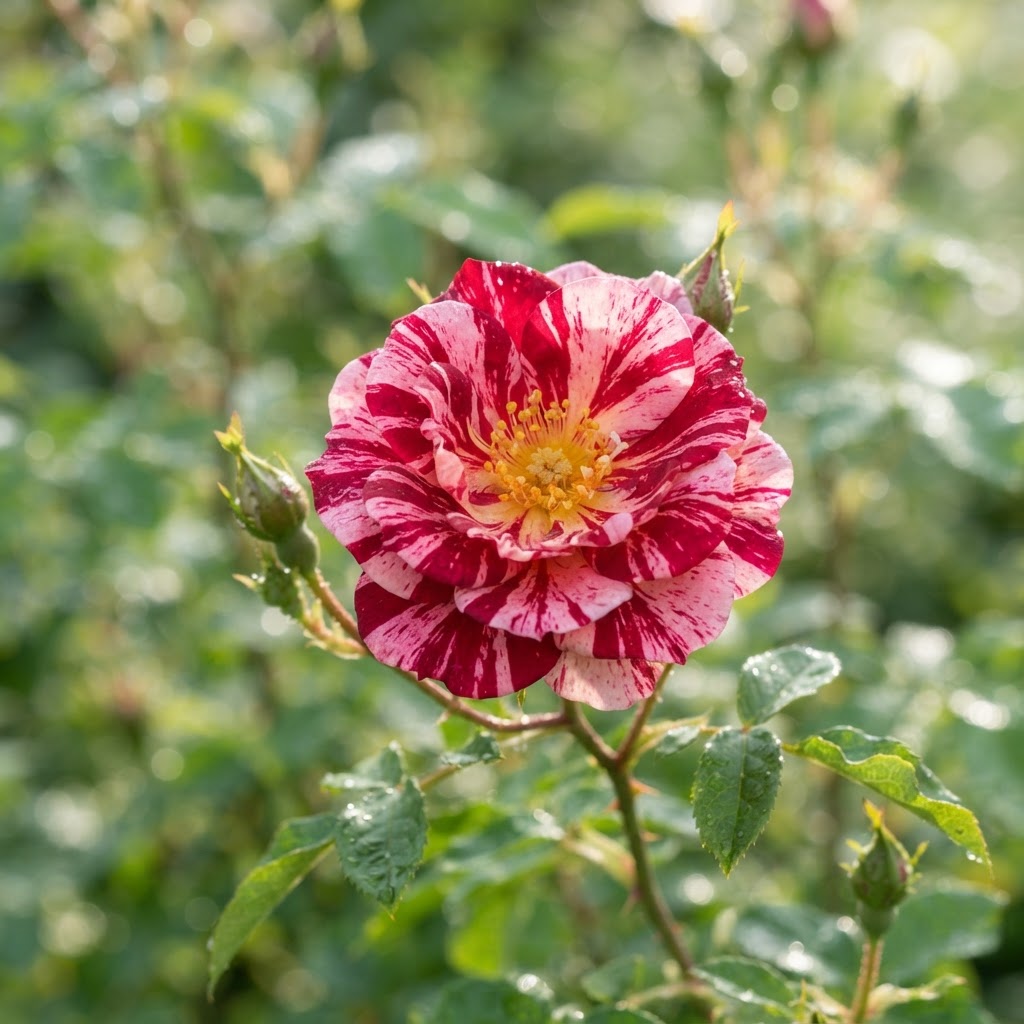
Chimera Roses Explained: Nature’s Two-Tone Roses
A chimera rose is a single rose bush carrying two genetically different sets of cells, layered on top of each other in the growing tips. When those two cell lines produce different petal colors, every bloom gets painted in striking two-tone stripes or sectors — sometimes split cleanly down the middle. Chimeras arise by spontaneous mutation, survive only through cuttings and grafting, and include some of the most famous striped roses in history, like Rosa mundi.
Updated September 10, 2026
Read More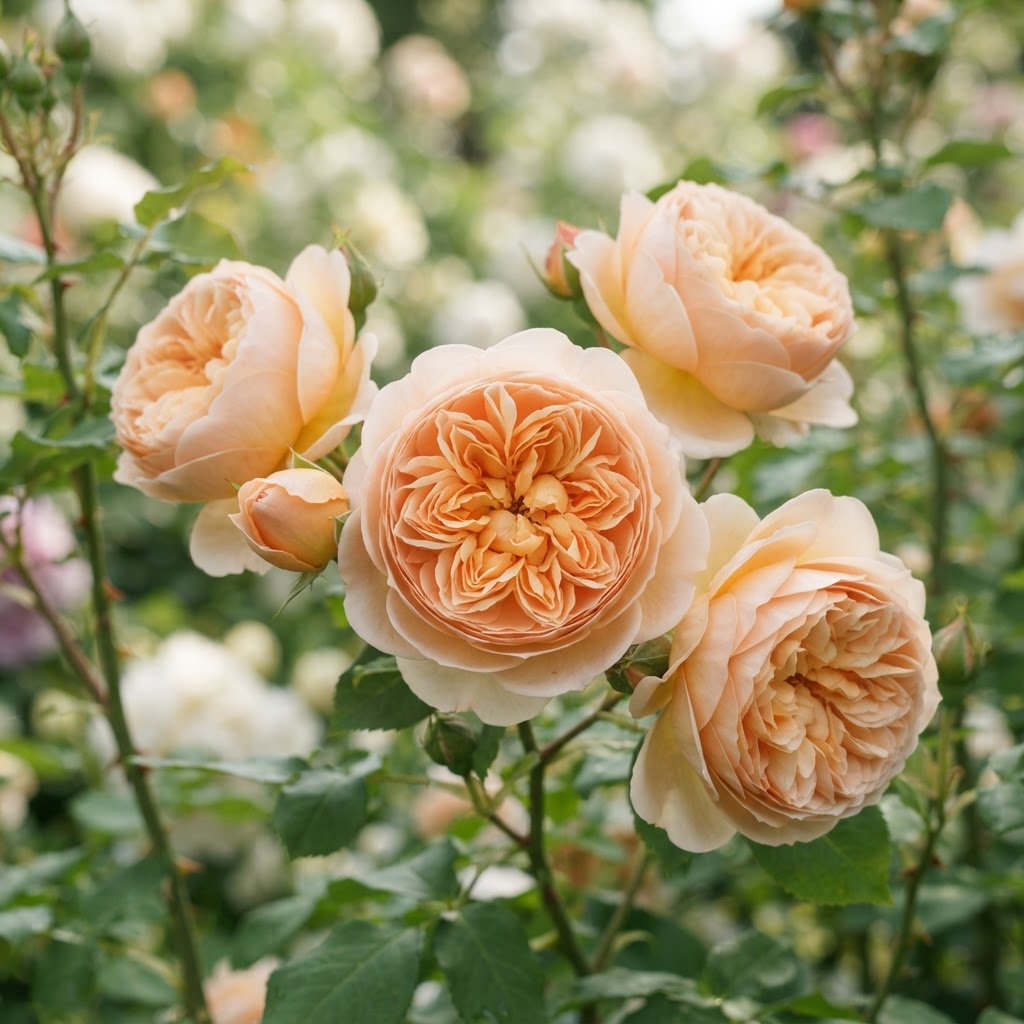
The £3 Million Rose: The Story of David Austin’s Juliet
The Juliet rose is widely reported to have cost David Austin Roses around £3 million to develop — not because a single bush sold for millions, but because Juliet took roughly fifteen years of crossing, growing, and culling tens of thousands of seedlings to create. The bill is for patience: fifteen years of a breeding program aimed at one perfect peachy, old-fashioned bloom.
Updated September 10, 2026
Read More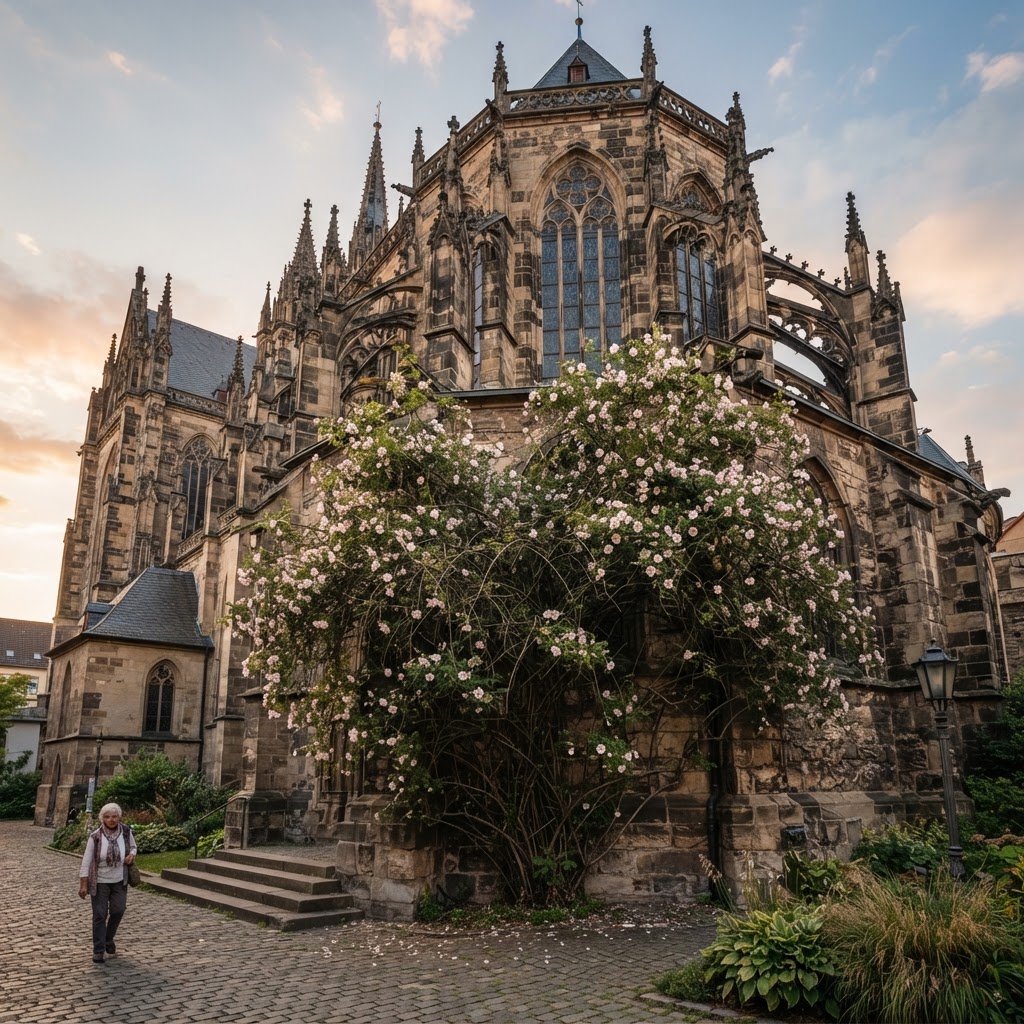
The World’s Oldest Living Rose: The 1,000-Year-Old Rose of Hildesheim
The oldest known living rose is a wild dog rose (Rosa canina) growing against the apse wall of Hildesheim Cathedral in Germany. Its existence has been documented for roughly seven hundred years, local legend traces it back more than a thousand — and in 1945, when Allied bombing destroyed the cathedral around it, the rose’s roots survived and it grew back.
Updated September 10, 2026
Read More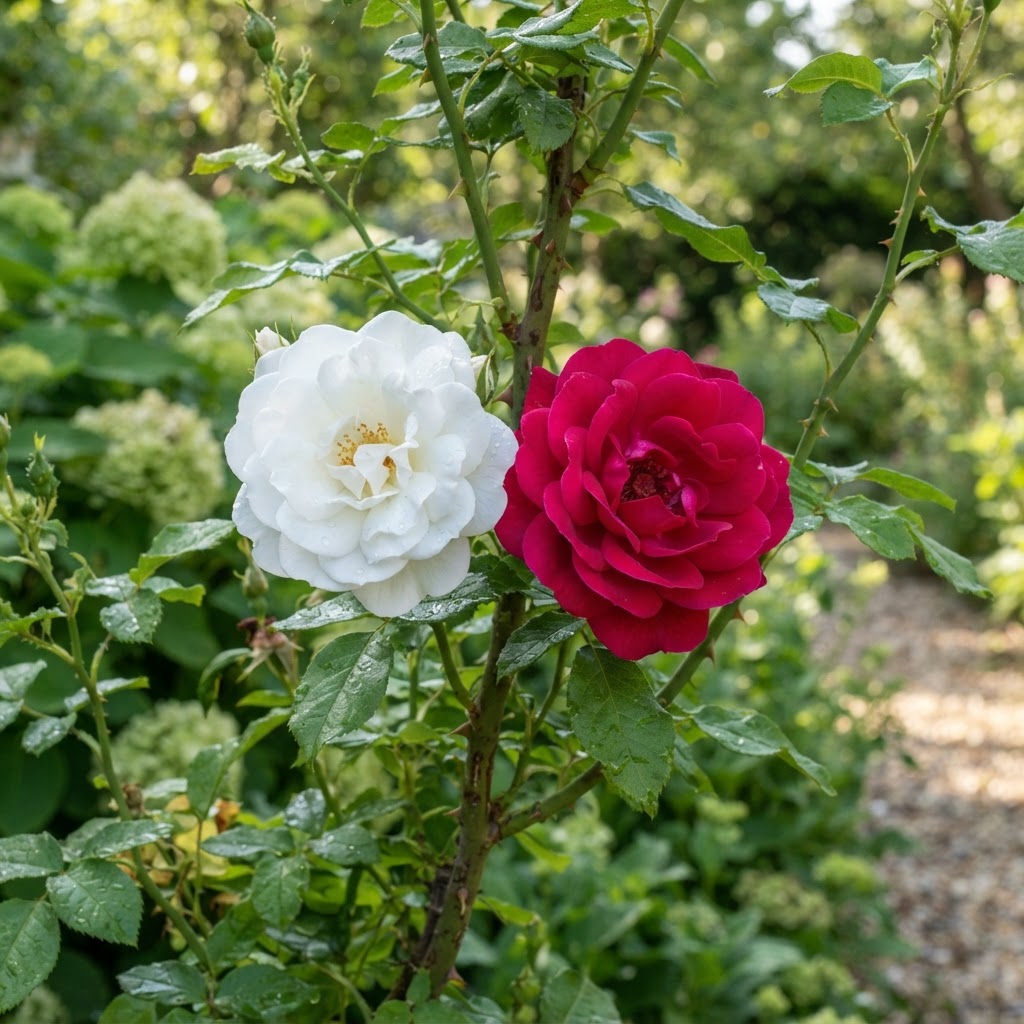
Rose Sports Explained: How One Bush Becomes a New Variety
A rose sport is a spontaneous mutation on one part of a bush — a single cane that suddenly grows taller, climbs, or blooms a different color than the rest of the plant. Gardeners have noticed these oddball canes for centuries, and many of the world’s most famous roses — Climbing Iceberg, Chicago Peace, and New Dawn among them — started life as sports that someone had the good sense to propagate.
Updated September 10, 2026
Read More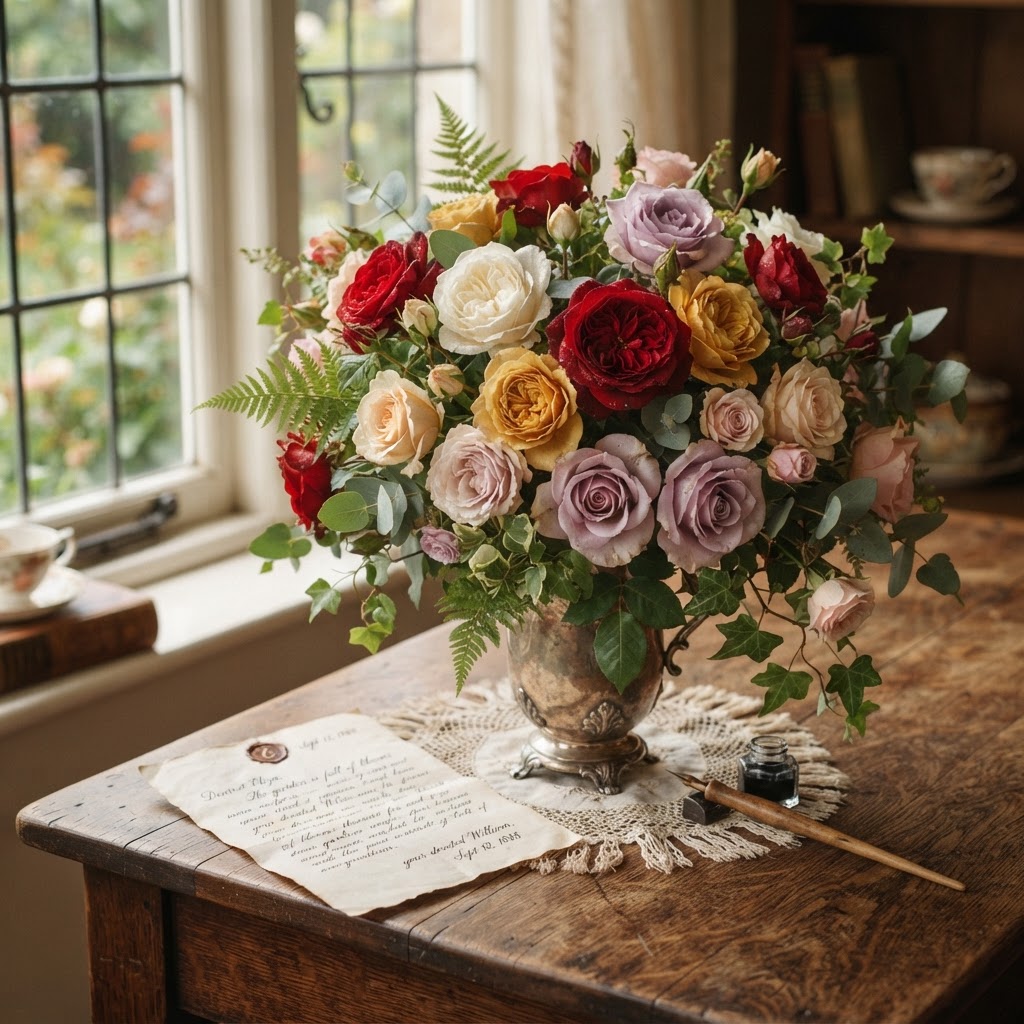
The Language of Roses: What Every Color and Number Secretly Means
In the Victorian language of flowers, roses carried coded messages: red for love, white for purity, pink for admiration, yellow — surprisingly — for jealousy or infidelity. Even the number of stems had a meaning, from a single rose (love at first sight) to a dozen (be mine). Once you know the code, every bouquet becomes a small telegram.
Updated September 10, 2026
Read More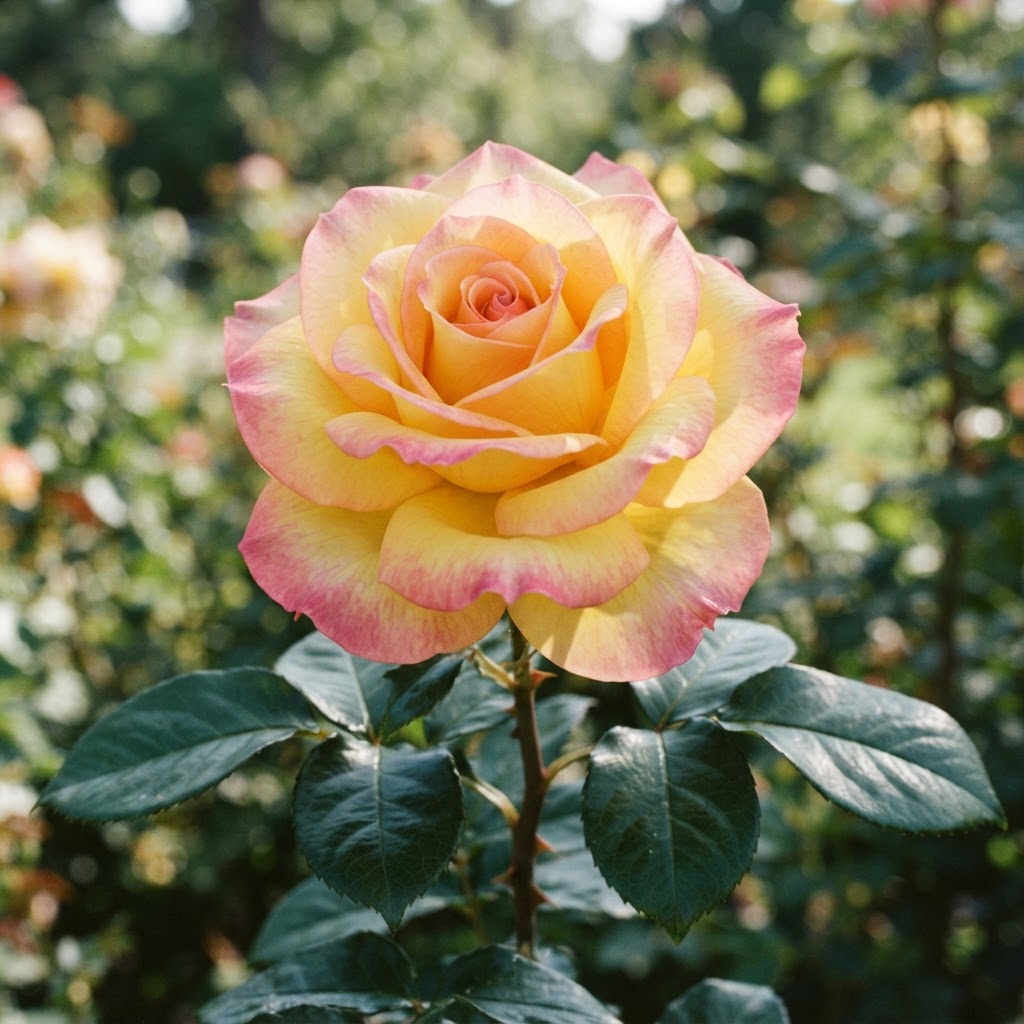
The Rose That Survived a War: The Story of the Peace Rose
The Peace rose was bred in France in the years before World War II, then smuggled out of occupied Europe on the very last shipments to leave — one package famously traveling in a diplomatic pouch. As the war destroyed the world that created it, the rose survived in gardens on three continents. On April 29, 1945, the day Berlin fell, it was given its name: Peace. It went on to become one of the most successful roses of all time.
Updated September 10, 2026
Read More