
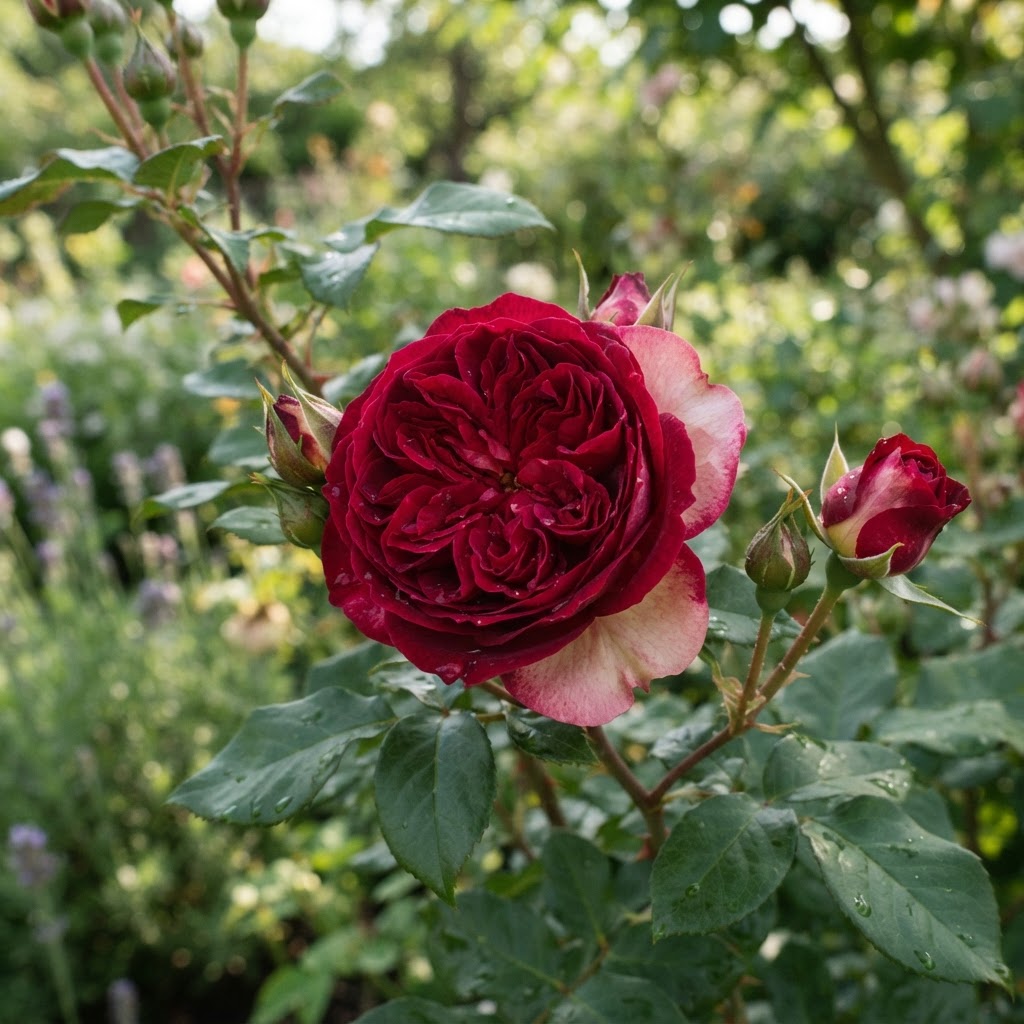
Louis Philippe
Unknown (France), 1834 · Zones 7–10 · Velvet crimson · Light tea fragrance
The classic rose of old Florida — found still blooming at abandoned homesteads a century after anyone cared for it. Velvety crimson flowers arrive in waves all twelve months in South Florida, indifferent to heat, humidity, and neglect.
View Louis Philippe in the PetalPals catalog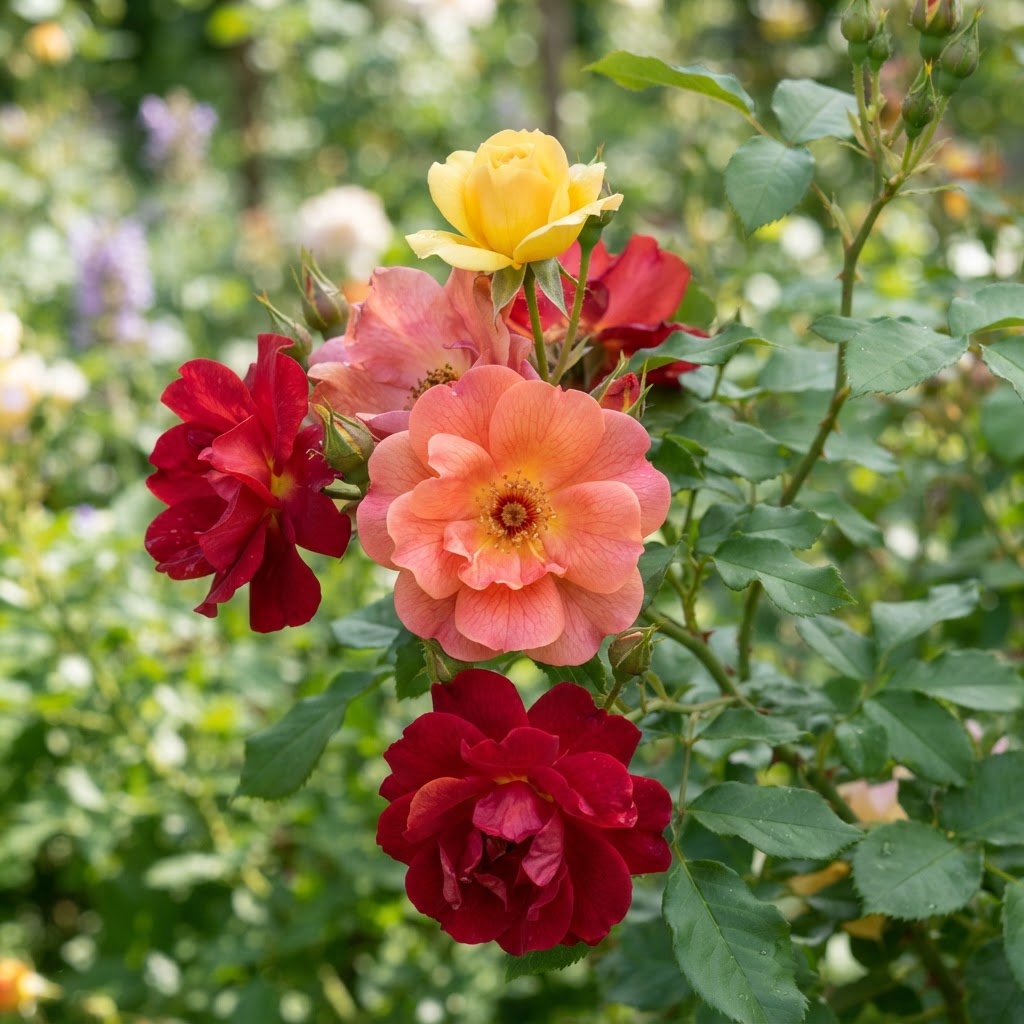
Mutabilis
Ancient China rose, 1894 · Zones 7–10 · Butter yellow to crimson · Slight fragrance
In a frost-free climate the butterfly rose simply never stops — yellow, orange, and crimson single blooms covering the shrub every month of the year. A large, graceful plant that becomes a permanent garden feature.
View Mutabilis in the PetalPals catalog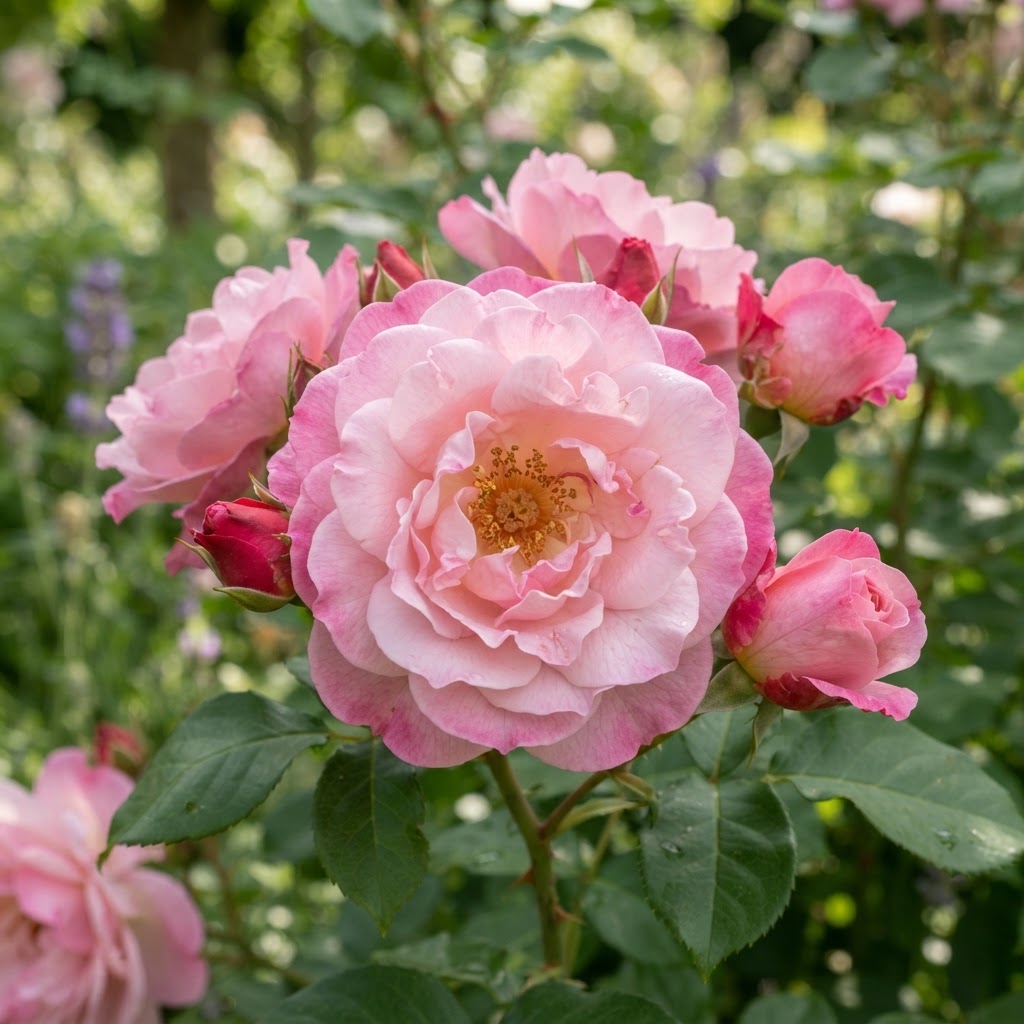
Old Blush
Ancient China rose, 1793 · Zones 7–10 · Silvery pink · Light sweet tea fragrance
The original monthly rose, and in zone 11 “monthly” undersells it — soft pink blooms show up essentially every week of the year. Completely evergreen in the tropics and a backbone of Southern cottage gardens for two centuries.
View Old Blush in the PetalPals catalog
Belinda’s Dream
Robert Bohl, 1992 · Zones 5–9 · Silvery pink · Moderate apple-rose fragrance
Full, cutting-quality pink blooms on an own-root shrub that sails through Florida summers without spray. A Texas A&M Earth-Kind selection that has become the most recommended “easy beauty” rose across the Gulf.
View Belinda’s Dream in the PetalPals catalog
Ducher
Ducher, 1869 · Zones 6–9 · Ivory white · Light damask fragrance
A heat-loving white antique — quartered ivory blooms repeating without pause on a compact, nearly thornless shrub. Whites are usually the hardest roses to grow in the humid tropics; this one simply does it.
View Ducher in the PetalPals catalog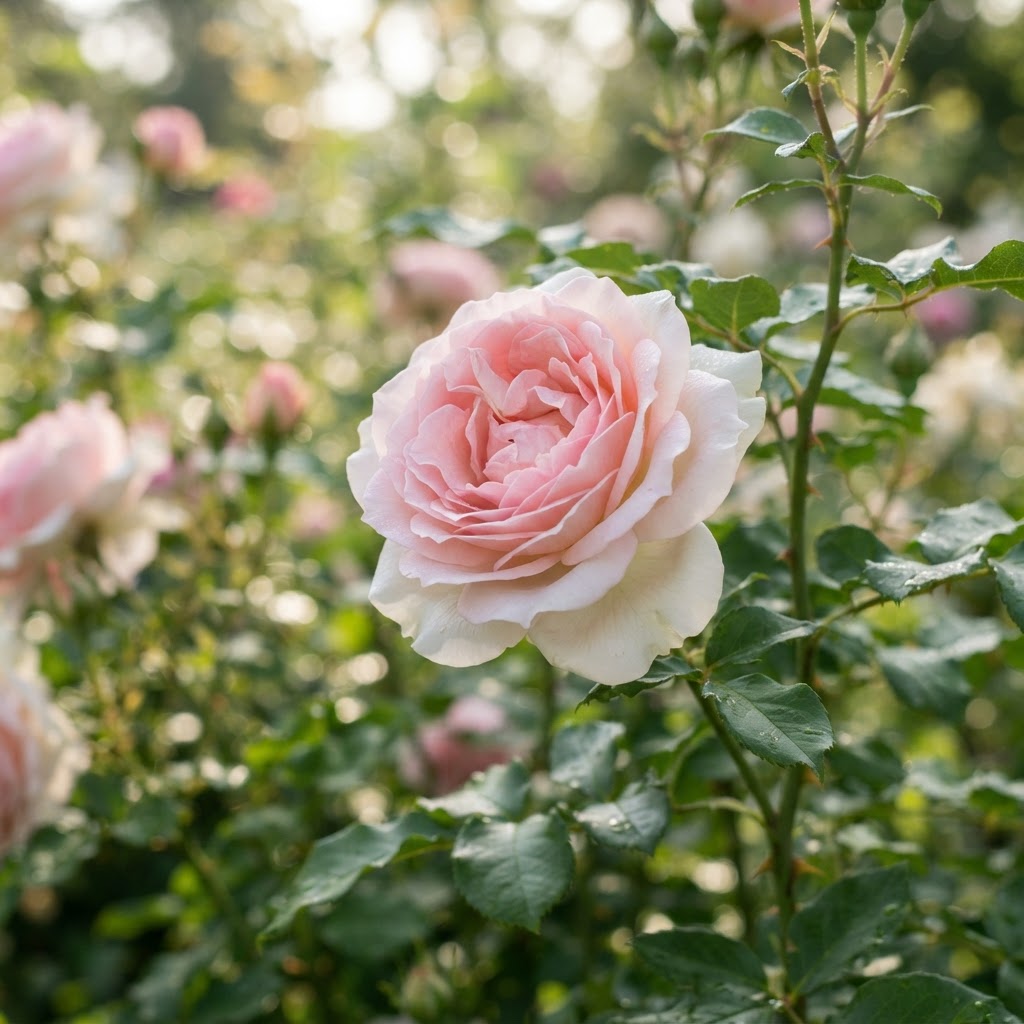
Francis Meilland
Meilland, 2008 · Zones 6–10 · Soft pearly pink · Strong citrus-rose fragrance
The healthiest large-flowered rose commonly available — flawless silvery-pink blooms with anise-citrus perfume, produced in near-continuous cycles even through a tropical summer. Best hybrid-tea-type choice for zone 11.
View Francis Meilland in the PetalPals catalogDouble Knock Out
William Radler, 2004 · Zones 5–10 · Cherry red · Faint fragrance
The fully double version of the world’s most-planted rose — rich cherry-red blooms every five to six weeks without deadheading, on foliage that stays clean in humidity. An effortless year-round landscape rose.
View Double Knock Out in the PetalPals catalog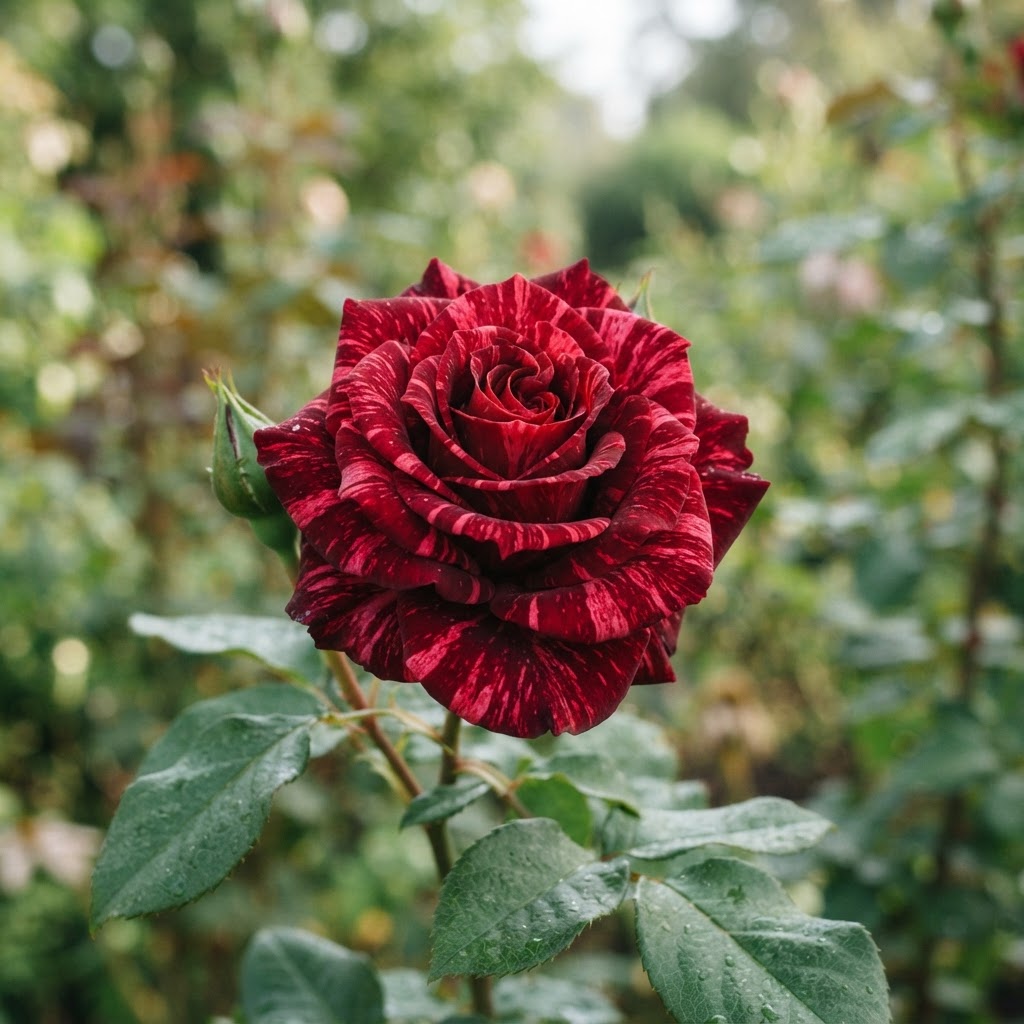
Red Intuition
Guy Delbard, 1999 · Zones 6–10 · Red streaked with darker red · Moderate old rose fragrance
A grandiflora with blooms like red velvet brushed with darker red — every petal uniquely streaked. It holds its color superbly in heat and supplies long stems for the vase nearly year-round in frost-free gardens.
View Red Intuition in the PetalPals catalog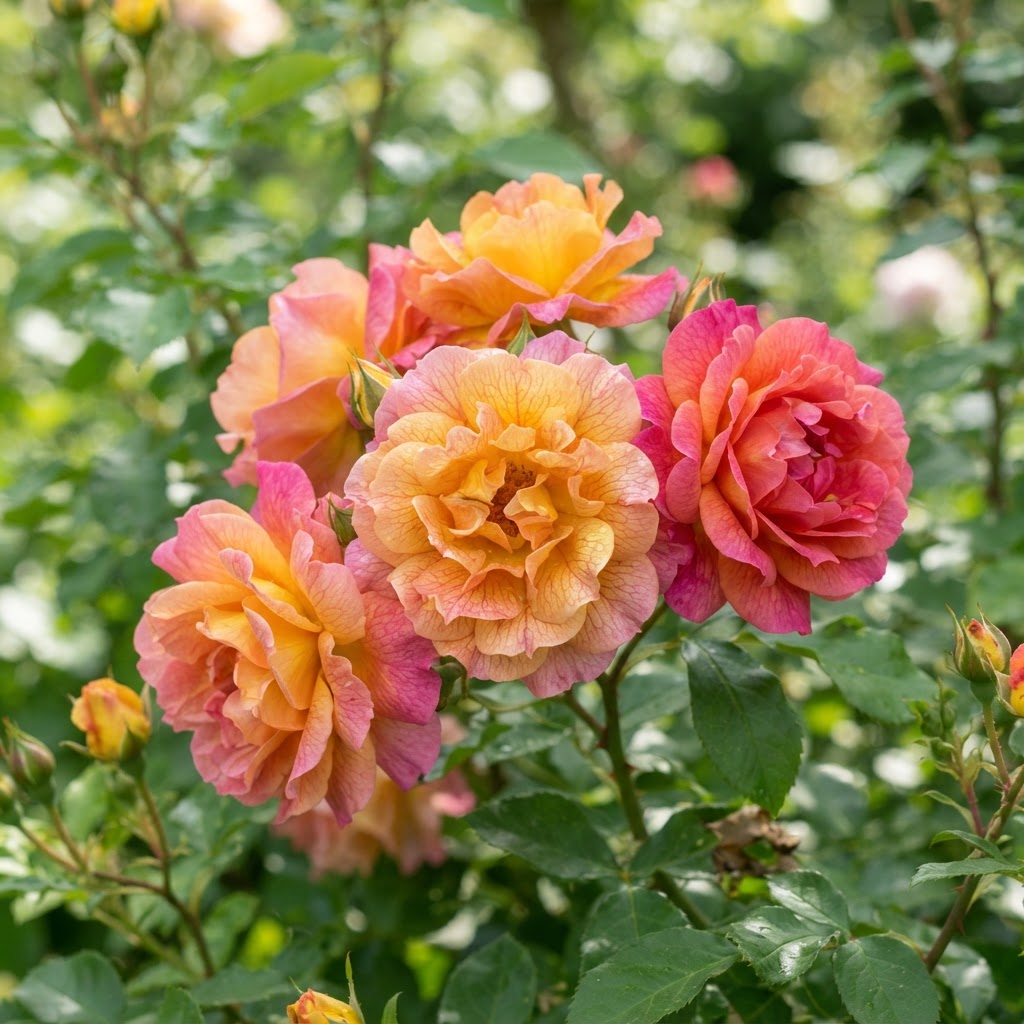
Kaleidoscope
Tom Carruth (Weeks), 2007 · Zones 6–10 · Golden tan to lavender-pink · Moderate spicy fragrance
A floribunda that earns its name — each cluster opens golden-tan, coral, and lavender-pink at once, shifting with sun and temperature. Bred in California for heat and continuous bloom, and it delivers both.
View Kaleidoscope in the PetalPals catalog
Sally Holmes
Robert Holmes, 1976 · Zones 6–11 · Ivory white · Light musk fragrance
Where winter never comes, Sally Holmes never rests — enormous trusses of single ivory blooms in a rolling cycle all year. Let it mound into a big shrub or lean it on a fence; it is the closest thing to a self-maintaining rose in the tropics.
View Sally Holmes in the PetalPals catalogCommon questions
Related guides
Do Roses Need Chill Hours to Bloom?
Most roses do not need winter chill to bloom. Modern repeat-blooming roses — hybrid teas, floribundas, shrub roses, and nearly every rose sold at a garden center — flower on new growth, so mild winters simply mean more growth and more flowers. The exceptions are once-blooming old garden roses, ramblers, and some species roses, which need a seasonal rest to set their single big spring show and grow disappointingly in frost-free climates.
Read the guide Care & DiagnosisZone 9 & 10 Rose Care Calendar
In zones 9 and 10 the rose year is organized around the late-winter reset: hard prune and clean-up in January–February, a feeding program that starts with the first growth flush, deliberate heat management through July and August, and — the reward of warm-climate growing — a second spring in fall, when the best blooms of the year open in October and November. The calendar below walks the full year.
Read the guide Top 10 ListsBest Roses for Zone 10
Zone 10’s frost-free climate favors roses that bloom nearly year-round: Sally Holmes, Iceberg, Julia Child, Double Delight, and Graham Thomas top the list. The challenge here is not cold — it is choosing varieties that keep flowering without a true winter dormancy and hold up to dry summer heat or coastal humidity. All ten picks bloom in waves for ten months or more.
Read the guide Top 10 ListsBest Roses for Zone 9
For zone 9’s long, hot summers, the most reliable roses are the heat-proof antiques and rugged modern shrubs: Mutabilis, Old Blush, Louis Philippe, Belinda’s Dream, and Perle d’Or lead the list. These are varieties that bloom straight through 95°F days that shut down most modern roses, and none of them need spraying to hold healthy foliage.
Read the guideKeep this guide in your pocket
PetalPals journals every rose you grow, reminds you when to spray and feed, and helps you identify problems from a single photo — free to join.